

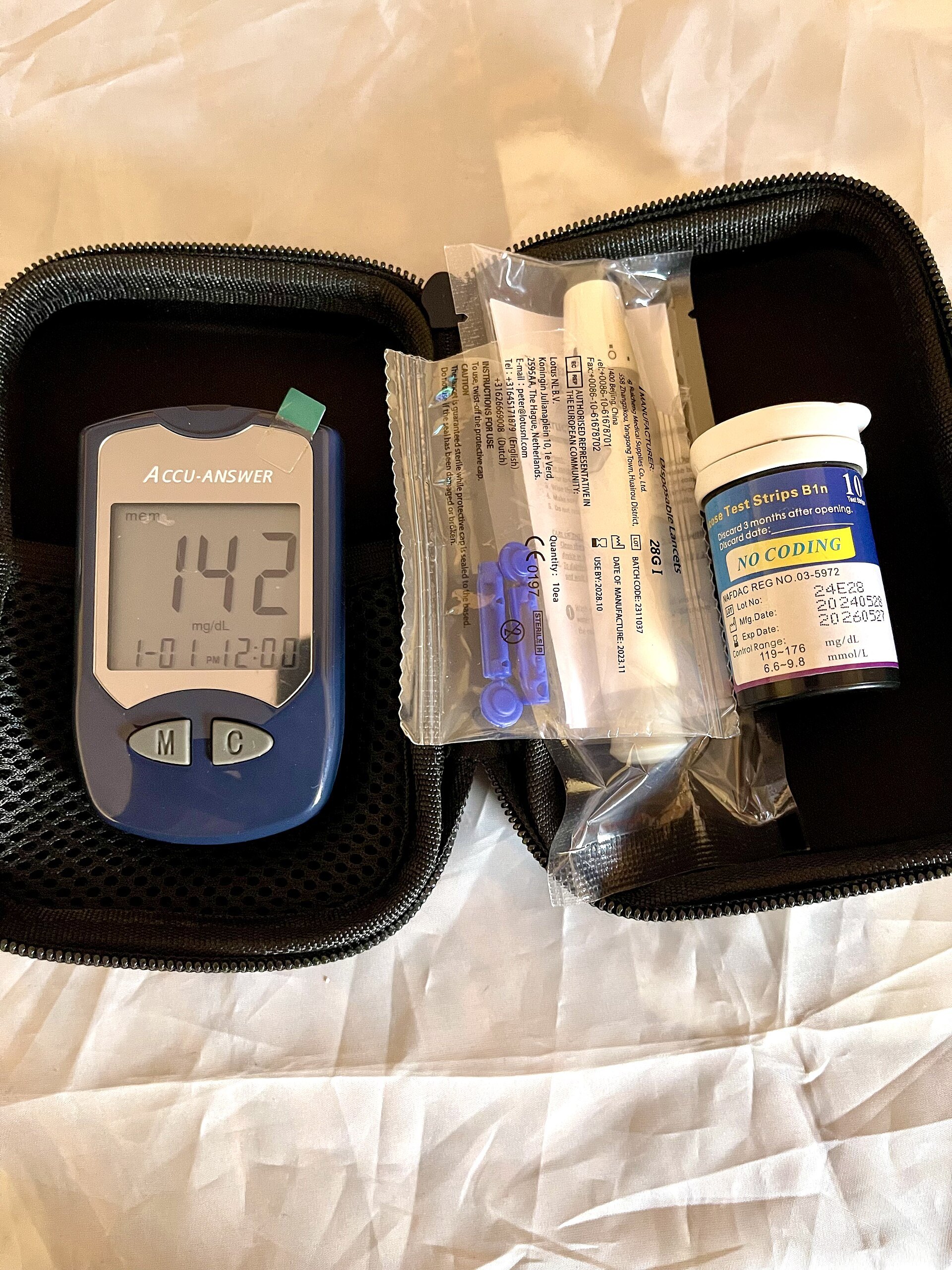
A quiet revolution in diabetes care is being measured in hours. People with type 2 diabetes who switch to continuous glucose monitors (CGMs) spend roughly five additional hours each day with blood sugar in the target range, compared with traditional finger-prick testing — a difference that compounds, across years, into the complications avoided and the quality of life preserved. Once a tool almost exclusively for type 1 diabetes, the sensor is now rewriting expectations for the far larger type 2 population.
Time in Range: the Metric That Replaced the Average
For generations, diabetes management revolved around HbA1c, a quarterly average that conceals as much as it reveals — two patients with identical averages can have wildly different daily swings. CGMs exposed that hidden dimension. Their data created the time-in-range standard: the percentage of the day spent between agreed glucose thresholds, now embedded in international consensus guidance published through the American Diabetes Association. The five-hour gain reported with CGM use represents exactly the exposure reduction that long-term studies link to lower rates of eye, kidney and nerve damage.
Feedback Changes Behaviour Faster Than Advice
The mechanism is not mysterious. A finger-prick tells you where you were; a sensor shows you where you are heading, minutes after a meal, during a walk, through the night. Users describe the effect as a scoreboard that never sleeps: the biscuit’s spike is visible by the time the kettle boils, and the post-dinner walk’s benefit appears as a flattening line. Clinicians analysing downloads can spot patterns — dawn rises, weekend drift, medication timing — that quarterly averages erase. Our tech news coverage follows this broader pattern of continuous data displacing periodic measurement across medicine.
Access Is Catching Up With Evidence
Guideline endorsements have widened, insurers are expanding coverage beyond insulin users, and cheaper sensors — including over-the-counter models — are arriving for people with prediabetes or simple metabolic curiosity. The equity question remains sharp: type 2 diabetes concentrates in lower-income communities least able to pay out of pocket for a fortnightly consumable. Whether CGM becomes standard care or another stratified luxury depends on the coverage decisions of the next few years.
The Market Race Behind the Medicine
Commercially, CGM has become one of the fiercest contests in medical technology. The incumbent manufacturers defend premium positions with accuracy, wear-time and integration ecosystems, while challengers attack on price — including sensors sold directly to consumers without prescription in some markets. Analysts estimate the addressable population in the hundreds of millions once prediabetes and metabolic-health users are counted, which is why technology giants keep circling the category with non-invasive research programmes of their own.
Competition is doing what competition does: sensors get smaller, cheaper and longer-wearing with each generation, and the software layer — insights, coaching, pattern detection — is becoming the real differentiator as hardware commoditises. For patients, the consequence is unambiguous. A therapy once rationed by cost and prescription rules is becoming a consumer product with a medical core. The clinical evidence arrived first; the five-hour figure gave it a headline; the market is now delivering the scale. Medicine rarely moves this visibly, this fast.
The Data Deluge Problem
Success creates its own burden: hundreds of readings a day per patient, multiplied across a clinic’s panel, is more data than any care team can eyeball. The industry’s answer is algorithmic — pattern summaries, predictive alerts, coaching software that surfaces the three things needing attention this week. The sensor was the breakthrough; interpretation is the business. But the core finding stands above the complications: give people continuous sight of an invisible number, and they will move it — five hours a day, in the right direction. More health technology stories are on our homepage.
