

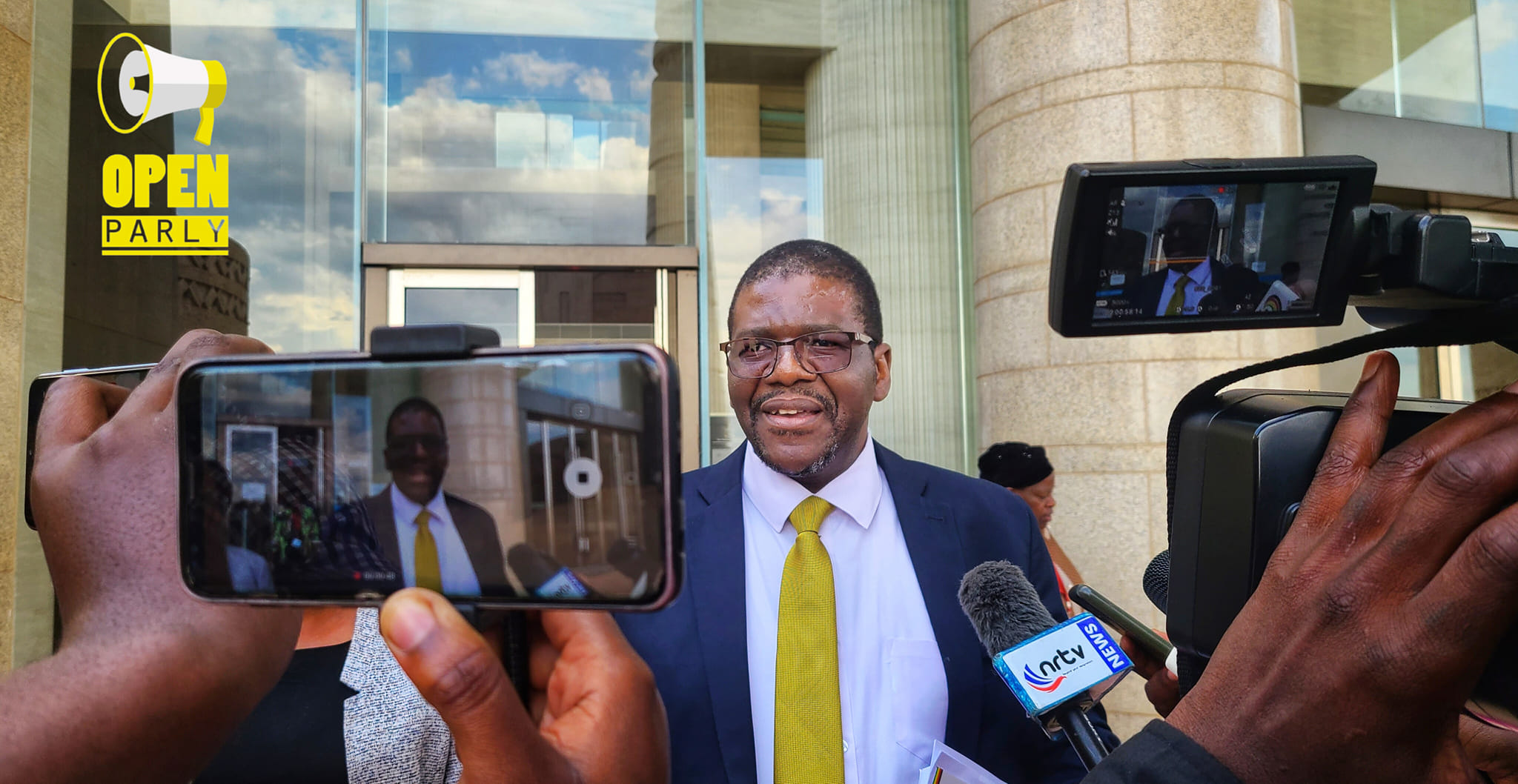
Political developments across the world are moving faster than ever, shaping economies, societies, and international relationships in real time. From election campaigns and government policy changes to global diplomatic tensions, every event plays a major role in influencing public opinion and national direction. Understanding these political events helps readers stay informed about how decisions made today can impact the future of nations and their citizens.
Rising Political Shifts Across Major Nations
Election Campaign Strategies and Public Response
Election campaigns have become more dynamic with the rise of digital media and real-time communication. Political parties now focus heavily on social platforms, public engagement, and targeted messaging to reach voters. This shift has made campaigns more interactive but also more competitive. Public response plays a key role in shaping political narratives, as voter opinions are quickly shared and debated online. As a result, campaigns are no longer limited to rallies but extend into continuous digital engagement.
Policy Reforms and Government Decision-Making
Governments worldwide are introducing new policy reforms to address economic growth, healthcare improvements, and national security concerns. These decisions often become headline news due to their direct impact on citizens’ lives. Policy-making today is influenced by both internal needs and global pressures, making it more complex than ever. Transparency and accountability are also becoming important factors as citizens demand clearer communication from their leaders.
Political Stability and Public Trust
Political stability remains a key concern for many nations, especially in regions experiencing frequent leadership changes or internal conflicts. Public trust in government institutions plays a major role in maintaining stability. When trust is strong, governments can implement reforms more effectively. However, declining trust can lead to protests, debates, and political uncertainty. This balance between leadership and public confidence continues to shape national progress.
Global Diplomatic Relations and International Politics
Trade Agreements and Economic Cooperation
Trade agreements between countries are a major part of modern political headlines. These agreements help strengthen economic ties, increase market access, and promote global cooperation. However, negotiations are often complex, involving discussions on tariffs, regulations, and long-term economic benefits. Successful agreements can improve economic stability, while failed negotiations may lead to tension between nations.
International Conflicts and Peace Efforts
International conflicts remain one of the most sensitive areas in global politics. Countries often engage in diplomatic talks to resolve disputes peacefully and avoid escalation. Peace efforts involve negotiations, international organizations, and mediation strategies. While some conflicts are resolved through dialogue, others continue to challenge global stability, making this a key focus of political reporting worldwide.
Global Alliances and Strategic Partnerships
Nations often form alliances to strengthen their political, economic, and security positions. These partnerships can influence global decision-making and regional balance of power. Strategic alliances are built on shared interests and mutual benefits. In today’s interconnected world, such partnerships play a critical role in addressing global challenges like security threats, climate change, and economic uncertainty.
Media Influence and Public Political Awareness
Role of News Media in Political Reporting
News media plays a central role in shaping how political events are presented to the public. Journalists and news platforms report on government actions, policy updates, and international developments. Accurate reporting helps citizens stay informed, while biased reporting can influence public opinion. In the digital age, media coverage spreads quickly, making it a powerful force in political awareness.
Social Media and Political Discussions
Social media platforms have transformed political communication by allowing instant sharing of opinions and news. Citizens can now engage directly in political discussions, express concerns, and interact with leaders. However, the spread of misinformation is also a growing challenge. As political content circulates rapidly, verifying information has become essential for maintaining informed discussions.
Public Opinion and Digital Activism
Public opinion today is heavily influenced by online discussions and digital activism. People use social media campaigns, hashtags, and online movements to support causes and express political views. This form of activism has increased civic participation, especially among younger generations. It has also made governments more responsive to public demands, highlighting the growing power of digital voices in politics.
FAQs
1. Why are political events important in daily news?
Political events affect laws, economy, and public policies, making them essential for understanding national and global changes.
2. How do elections influence political headlines?
Elections bring major changes in leadership and policy direction, which is why they dominate news coverage.
3. What role does social media play in politics?
Social media spreads political news quickly and allows public engagement, but it can also spread misinformation.
4. Why are international relations important?
International relations help maintain peace, trade, and cooperation between countries.
5. How does media affect political awareness?
Media informs citizens about government actions and global events, shaping public understanding and opinions.
Conclusion
Political events continue to shape the direction of nations and influence global stability in powerful ways. From elections and policy reforms to international relations and media influence, every aspect of politics plays a role in defining the present and future of societies. Staying informed about these developments helps individuals understand the world more clearly and make better-informed perspectives about ongoing global changes.