

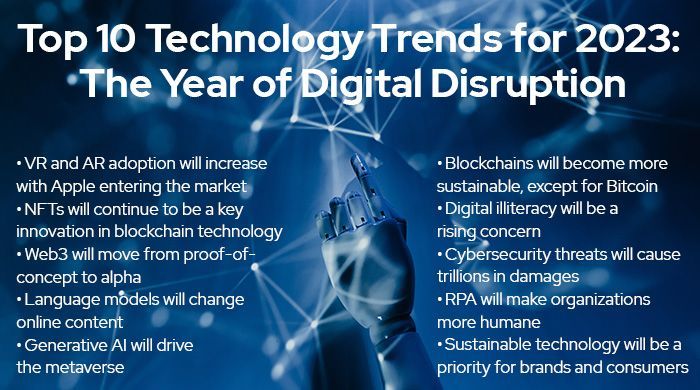
The digital world is evolving faster than ever before, and new technologies are reshaping how businesses operate, how people communicate, and how industries grow. From artificial intelligence to immersive experiences and advanced automation, the latest digital trends are not just improving systems—they are completely transforming them. Understanding these trends is essential for anyone who wants to stay relevant in today’s competitive tech-driven environment.
Artificial Intelligence and Smart Automation
AI-Powered Content and Decision Making
Artificial intelligence has become one of the most powerful forces in the digital world. Businesses are now using AI to generate content, analyze data, and make smarter decisions in real time. This reduces manual effort and improves accuracy across industries. AI tools are also helping companies understand customer behavior more effectively, leading to better personalization and higher engagement. As AI continues to evolve, it is becoming a core part of modern digital strategies.
Machine Learning in Everyday Systems
Machine learning is no longer limited to research labs—it is now embedded in daily applications. From recommendation systems on streaming platforms to fraud detection in banking, machine learning is improving efficiency and security. It allows systems to learn from data and improve over time without human intervention. This makes digital platforms more intelligent, responsive, and user-friendly in the long run.
AI Chatbots and Virtual Assistants
AI chatbots and virtual assistants are changing the way businesses communicate with customers. They provide instant responses, reduce waiting times, and offer 24/7 support. These systems are becoming more human-like in conversation, improving user satisfaction. Many companies now rely on AI assistants to handle customer queries, schedule tasks, and support sales processes efficiently.
Cloud Computing and Data Transformation
Scalable Cloud Infrastructure
Cloud computing continues to dominate the tech industry by offering scalable and flexible solutions for businesses of all sizes. Companies no longer need heavy physical infrastructure, as cloud platforms provide on-demand resources. This allows businesses to grow faster while reducing operational costs. Cloud systems also support remote work environments, making collaboration more seamless across global teams.
Real-Time Data Processing
Modern businesses depend heavily on real-time data processing to make fast decisions. Cloud technology enables instant access to large datasets, improving efficiency in analytics and reporting. This trend is especially important in industries like finance, healthcare, and e-commerce, where timely insights can significantly impact outcomes. Real-time processing ensures businesses stay competitive in a fast-moving digital landscape.
Cloud Security Advancements
As more data moves to the cloud, security has become a top priority. Advanced encryption, multi-factor authentication, and AI-based threat detection are strengthening cloud security systems. These improvements help protect sensitive information from cyber threats and unauthorized access. Businesses are now more confident in adopting cloud solutions due to these enhanced security measures.
Immersive Technologies and Digital Experience
Augmented Reality in Digital Interaction
Augmented reality is transforming how users interact with digital content by blending virtual elements with the real world. It is widely used in retail, education, and entertainment to create engaging experiences. AR allows users to visualize products and environments before making decisions, improving satisfaction and reducing uncertainty. This trend is expected to grow rapidly as devices become more advanced.
Virtual Reality for Training and Simulation
Virtual reality is becoming a powerful tool for training and simulation across industries. It provides immersive environments where users can practice real-life scenarios safely. This is especially useful in fields like healthcare, aviation, and engineering. VR improves learning outcomes by offering hands-on experience without real-world risks, making it a valuable digital innovation.
Mixed Reality Integration
Mixed reality combines elements of both AR and VR to create interactive and realistic environments. It allows users to interact with digital objects in real physical spaces. This technology is gaining popularity in design, gaming, and remote collaboration. As hardware improves, mixed reality is expected to become a major part of future digital ecosystems.
Cybersecurity and Digital Trust Systems
Advanced Threat Detection Systems
Cybersecurity is evolving rapidly to counter increasing digital threats. Advanced systems now use AI to detect unusual activity and prevent cyberattacks before they happen. These tools analyze patterns and respond instantly to potential risks. This proactive approach helps protect businesses from data breaches and financial loss, strengthening overall digital trust.
Zero Trust Security Models
The zero trust model is becoming a standard in modern cybersecurity strategies. It assumes that no user or system is automatically trusted, even inside the network. Every access request is verified, reducing the chances of unauthorized entry. This approach is highly effective in protecting sensitive data and ensuring secure digital operations.
Data Privacy and Compliance Trends
With increasing awareness of digital privacy, businesses are focusing more on compliance and data protection laws. Users now demand transparency in how their data is collected and used. Companies are adopting strict privacy policies and secure data management systems. This trend is shaping a more responsible and trustworthy digital ecosystem.
FAQs
What are the latest digital trends in technology?
The latest digital trends include AI, cloud computing, cybersecurity advancements, and immersive technologies like AR and VR.
Why is AI important in modern digital trends?
AI improves automation, decision-making, and customer experience, making businesses more efficient and competitive.
How is cloud computing changing businesses?
Cloud computing allows businesses to scale easily, reduce costs, and access data in real time from anywhere.
What is the role of cybersecurity in digital transformation?
Cybersecurity protects systems, data, and users from cyber threats while ensuring safe digital operations.
Are immersive technologies the future of digital experiences?
Yes, AR, VR, and mixed reality are shaping the future of interactive digital experiences across many industries.
Conclusion
The latest digital trends are reshaping the global tech landscape at an incredible pace. Technologies like artificial intelligence, cloud computing, immersive reality, and cybersecurity innovations are not just improving systems but redefining how the digital world operates. Staying updated with these trends is essential for businesses and individuals who want to remain competitive in the modern era. As technology continues to evolve, embracing these advancements will open new opportunities and drive future growth.