

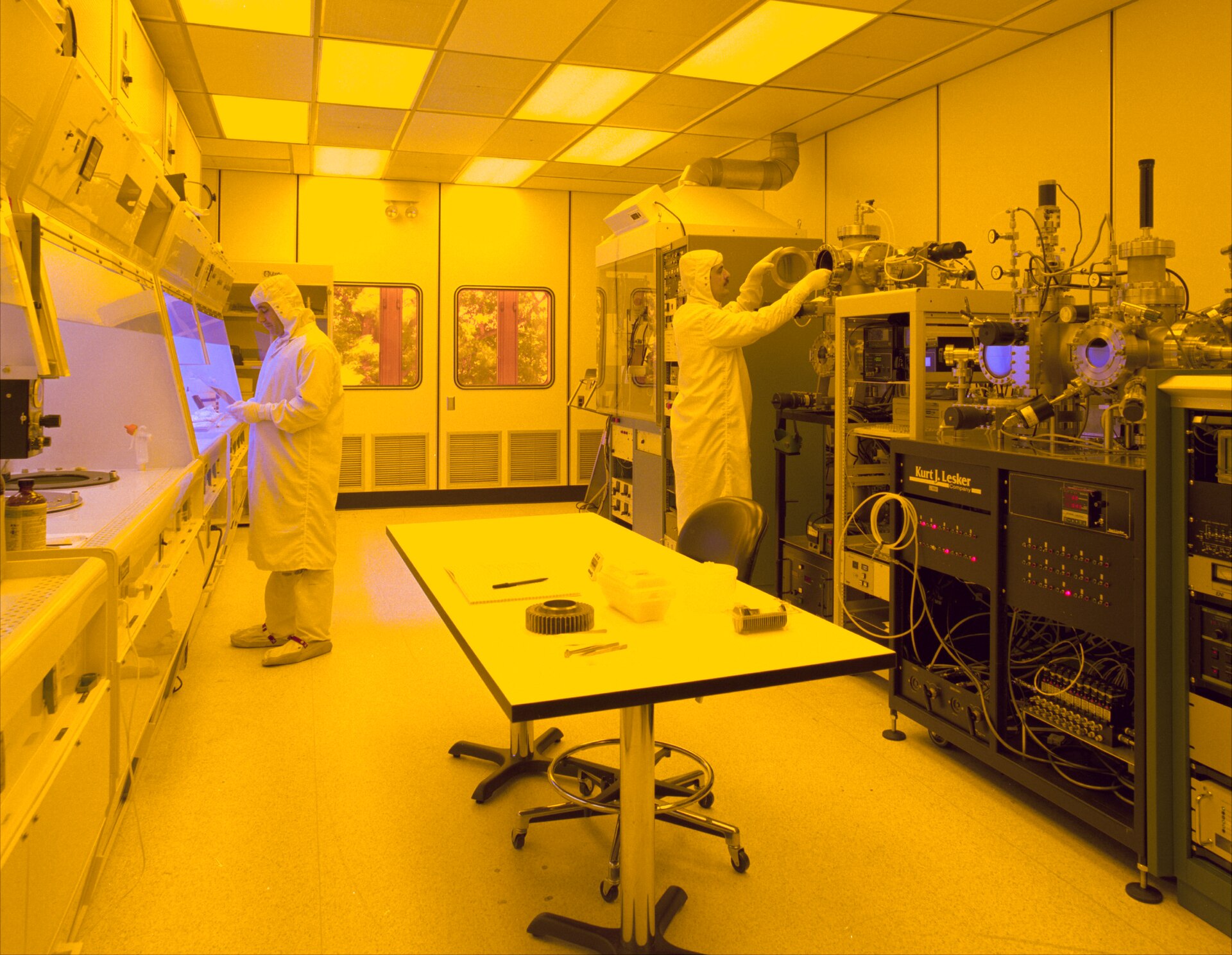
GlobalFoundries’ plans for two new chip factories in Malta, New York, have attracted a commitment of up to $21 billion from Japan, underlining how far governments will now go to secure semiconductor supply. The investment targets the company’s Saratoga County campus, already one of the most important chipmaking sites in the northeastern United States. Rather than a single announcement with a single cheque, the deal is best understood as a package of allied support for expanding American production of essential semiconductors, the workhorse chips that power cars, appliances, industrial systems and communications networks across the economy.
A major bet on Malta
Malta’s Fab 8 has been producing chips since the early 2010s and employs a large, specialised workforce. Adding two factories would multiply the site’s importance and lock in its status for decades, because fabs are among the most expensive industrial buildings on earth and are operated for a generation once built. GlobalFoundries specialises in feature-rich processes rather than racing for the very smallest transistors, a strategy that suits automotive and industrial customers who value reliability, security features and long product lives. The company describes its plants and technology platforms at GlobalFoundries, including the radio-frequency and power chips made in New York.
The CHIPS Act backdrop
Japanese involvement makes strategic sense for both sides. Tokyo has designated semiconductors a critical material, subsidising domestic projects while encouraging Japanese firms and funds to participate in allied capacity overseas. Washington, for its part, built the CHIPS and Science Act to crowd in exactly this kind of private and partner capital alongside federal grants. The US Department of Commerce administers the incentive programme and has stressed that public money should leverage far larger private commitments. A $21 billion headline figure attached to two fabs fits that model: subsidies de-risk the project, and allied investors help carry the enormous construction and equipment costs.
What the new fabs would make
What would the new plants actually produce? Most likely a mix of mature and specialised nodes used in vehicles, power management, secure communications and industrial controls. These chips rarely make headlines, yet shortages of exactly these components idled car plants worldwide in 2021 and 2022, teaching manufacturers a hard lesson about single points of failure. Expanding capacity in New York gives American and allied customers a geographically separate source of supply. It also strengthens the regional supplier base: ultra-pure chemicals, silicon wafers, gases and maintenance services all scale with fab output, and each layer creates its own employment beyond the cleanroom walls.
Timelines and open questions
The jobs story deserves a balanced reading. Construction of two fabs would employ thousands of workers for years, and operations would add permanent roles that are typically well paid and difficult to offshore. Training pipelines through local colleges have expanded around the existing campus, and a bigger site would deepen them. At the same time, chipmakers worldwide complain of shortages of experienced process engineers and technicians, so recruitment will be competitive. Readers who followed this earlier report will recognise a recurring theme in our technology coverage: the limiting factor in advanced manufacturing is increasingly people, not just money or machinery.
There are, inevitably, questions that an announcement cannot answer. The phrase ‘up to $21 billion’ leaves room for phasing, with the second factory potentially dependent on demand and on the first plant’s progress. Energy and water supplies, permitting and community infrastructure all have to keep pace. The semiconductor market is cyclical, and capacity planned in a confident year can open into a weaker one. GlobalFoundries has navigated such cycles before, partly by focusing on long-term agreements with customers who commit to volumes in advance, and the New York expansion is expected to follow that pattern rather than speculating on spot demand.
Stepping back, the Malta investment is a data point in a global reordering. Chip production concentrated heavily in East Asia over three decades because it was efficient; governments are now paying a premium to make it more distributed, judging that resilience is worth the cost. Whether that judgement proves right depends on execution over many years. But with Japanese capital joining American incentives behind two new factories in upstate New York, the reordering is clearly more than rhetoric. It is concrete, cleanrooms and construction cranes, and it will shape where the world’s essential chips are made well into the 2030s.
