

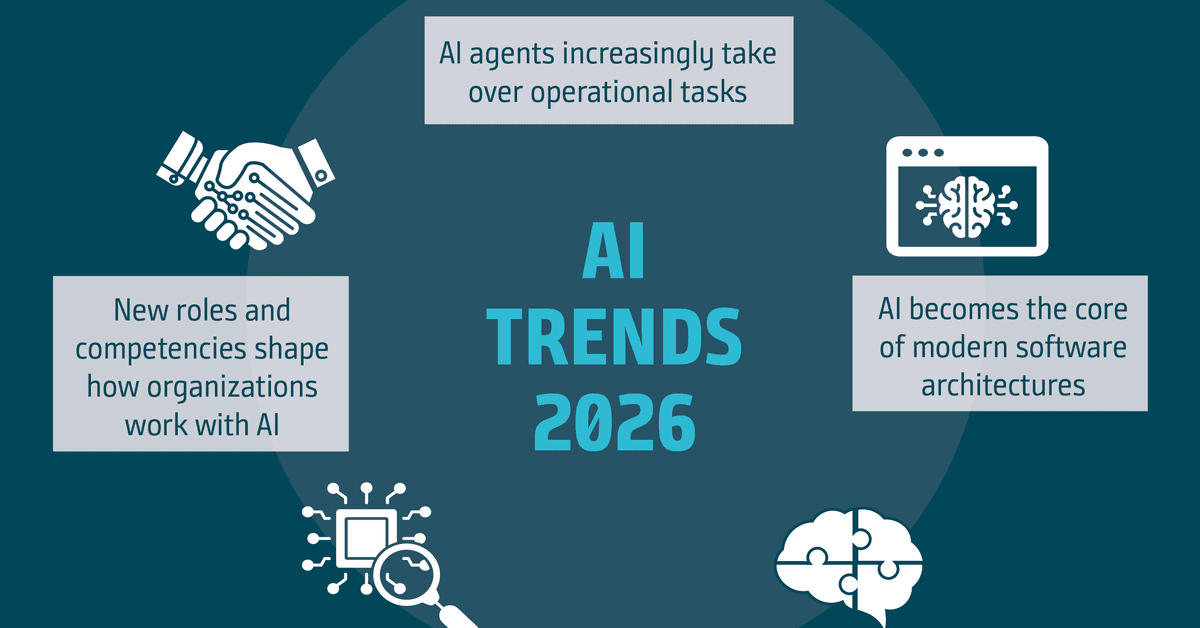
In 2026, the world of artificial intelligence and technology is evolving faster than ever before, reshaping industries, businesses, and daily life in ways we have never seen. From advanced AI automation systems to next-generation computing and intelligent digital ecosystems, every sector is being transformed by innovation. Companies are no longer just adopting technology—they are rebuilding their entire operations around it. This article provides a complete breakdown of the most important AI and tech trends dominating 2026, helping you understand where the industry is heading and why these changes matter for the future of work, business, and digital life.
AI Automation Is Replacing Traditional Workflows
Intelligent Workflow Automation Systems
AI-powered workflow automation is becoming a core part of modern businesses in 2026. Instead of manual processes, companies now use intelligent systems that can handle tasks like data entry, scheduling, reporting, and customer support automatically. These systems learn from behavior patterns and continuously improve performance, reducing human workload and increasing efficiency. This shift is helping businesses cut costs while improving speed and accuracy in operations.
AI-Powered Decision Making in Business
Another major trend is AI-driven decision-making. Organizations now rely on AI systems to analyze large datasets and suggest optimal strategies in real time. These tools help leaders make faster and more accurate decisions related to marketing, finance, and operations. The ability of AI to predict outcomes based on patterns is changing how businesses plan and grow in competitive markets.
Workforce Transformation Through AI Integration
AI is not just replacing tasks—it is transforming job roles. Employees are now working alongside AI tools instead of competing with them. Many repetitive roles are being automated, while new opportunities are emerging in AI management, data analysis, and system optimization. This transformation is pushing workers to upgrade their skills and adapt to a more digital-first workplace.
Advanced AI Models Are Redefining Digital Intelligence
Rise of Multimodal AI Systems
Multimodal AI systems are becoming one of the biggest breakthroughs in 2026. These models can understand and process text, images, audio, and video simultaneously, making them far more powerful than earlier versions. Businesses use these systems for content creation, customer interaction, and advanced analytics, improving both speed and quality of digital output.
Self-Learning AI Algorithms
Self-learning AI systems are gaining massive attention because they require minimal human intervention. These algorithms continuously learn from new data and adjust their behavior automatically. This makes them highly effective in areas like fraud detection, personalization, and predictive analytics, where real-time adaptation is critical.
AI Personal Assistants Becoming Smarter
AI personal assistants are evolving into highly intelligent digital companions. In 2026, these assistants can manage schedules, write reports, analyze emails, and even provide strategic suggestions. They are becoming essential tools for both individuals and businesses, improving productivity and reducing workload significantly.
Emerging Technologies Driving the Future Digital Economy
Quantum Computing Integration
Quantum computing is slowly moving from research labs into practical applications. In 2026, companies are using early-stage quantum systems to solve complex problems in cryptography, logistics, and scientific research. This technology has the potential to process data at speeds far beyond traditional computers, opening new possibilities for innovation.
Expansion of Edge Computing Networks
Edge computing is becoming more important as demand for real-time processing increases. Instead of sending data to centralized servers, edge computing processes information closer to the source. This reduces delay and improves performance in applications like smart devices, autonomous systems, and IoT networks.
Blockchain Evolution Beyond Cryptocurrency
Blockchain technology is no longer limited to digital currencies. In 2026, it is widely used for secure data sharing, identity verification, and transparent business transactions. Its decentralized structure makes it highly reliable for industries that require trust and security without intermediaries.
AI-Driven Digital Experiences Are Transforming Users
Hyper-Personalized Content Systems
AI is enabling hyper-personalized digital experiences where content is tailored specifically to each user’s behavior and preferences. Websites, apps, and platforms now adjust content dynamically, improving engagement and user satisfaction. This level of personalization is becoming a standard expectation in the digital world.
Immersive AR and VR Technologies
Augmented reality and virtual reality are becoming more mainstream in 2026. These technologies are used in education, entertainment, training, and remote collaboration. AI enhances these experiences by making environments more interactive, realistic, and adaptive to user actions.
Smart Recommendation Engines
Recommendation systems are becoming highly advanced with AI integration. Instead of basic suggestions, modern systems analyze deep behavioral patterns to predict user needs accurately. This improves user experience on platforms like streaming services, e-commerce sites, and social networks.
FAQs
1. What are the biggest AI trends in 2026?
AI automation, multimodal models, and self-learning systems are among the biggest trends shaping 2026.
2. How is AI changing the job market?
AI is automating repetitive tasks while creating new roles in data, AI management, and digital systems.
3. What is multimodal AI?
Multimodal AI can process and understand text, images, audio, and video together in one system.
4. Is quantum computing used in real life in 2026?
Yes, it is in early stages and used for complex problem-solving in research and industries.
5. How does AI improve user experience online?
AI personalizes content, improves recommendations, and enhances digital interactions in real time.
Conclusion
The AI and tech landscape in 2026 is defined by rapid innovation, deeper automation, and smarter digital systems that are reshaping every industry. From AI-driven workflows to quantum computing and immersive digital experiences, technology is becoming more intelligent, adaptive, and integrated into everyday life. Businesses and individuals who understand these trends and adapt early will be better positioned for future opportunities.