

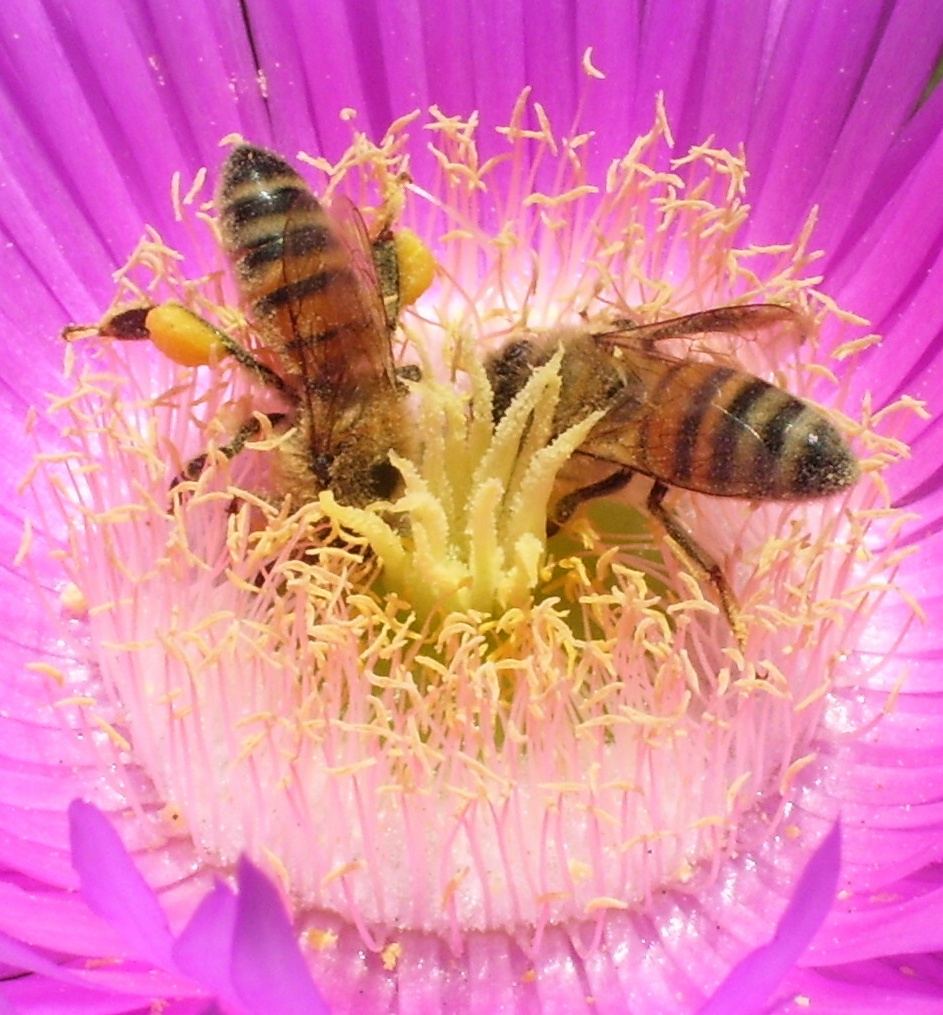
Honeybees navigate landscapes with a mental map that is far more sophisticated than their tiny brains might suggest, according to new research on how the insects learn routes between flowers. Experiments tracking individual bees show that they remember the order, distance and reward quality of multiple feeding sites, then adjust their routes when flowers are moved or depleted. Rather than flying at random, bees appear to build a flexible sequence that balances travel cost against the energy gained from each stop. Scientists say this route planning helps explain how colonies exploit scattered food sources so efficiently, even as weather, competitors and flowering patterns change through the day. The findings also shed light on how bees cope when familiar landmarks disappear, a growing problem in simplified farmland where hedgerows and wildflower strips have been removed. Understanding bee navigation could therefore inform conservation, because a landscape that looks flower-rich on paper may still be hard for bees to use if the routes between blooms are broken or confusing.
What the Evidence Shows
The research is now turning to what happens when navigation goes wrong, including exposure to pesticides, disease and poor nutrition that can impair learning and memory. Specialists following honeybee navigation research say that even small delays in returning to the hive can reduce a colony’s food intake over a season, especially during short flowering peaks. Field studies are testing whether planting flowers in connected lines, rather than isolated patches, helps bees build reliable routes and reduces wasted flights. Beekeepers are also interested in whether hive placement can be planned around natural landmarks that bees use for orientation. Scientists caution against reducing bee behaviour to a single explanation, since navigation combines memory, vision, smell and social information from other foragers. Still, the mental map model offers a practical way to judge landscapes from a bee’s perspective, and to design farms and gardens that pollinators can actually navigate. Reporting and analysis from sources such as National Science Foundation track the same developments, and specialists following honeybee navigation research say the direction is now consistent across independent lines of evidence.
The Wider Context
The wider context is a research landscape in which replication and open data now decide reputations. Findings connected to honeybee navigation research are being checked by independent groups with shared datasets, and the teams involved publish their methods in full so rivals can test every step. That discipline is slower than a headline cycle, but it is why results in this area increasingly survive first contact with scrutiny.
What Happens Next
What happens next in the story of honeybee navigation research will be decided by follow-up work already under way: larger samples, longer observation and instruments that have not yet come online. The researchers involved are unusually united on one point, that the current results justify the next investment of time and money. Readers will not have to wait long for the first tests of that claim. You can follow related developments in our coverage of science.
There is a practical lesson in all of this for readers deciding what to do today. Start with the verified facts, be wary of anyone promising certainty, and prefer reversible steps while the evidence is still developing. Circumstances differ by country, income and personal situation, so general guidance should always be weighed against your own context before you act on it in any significant or lasting way.
