

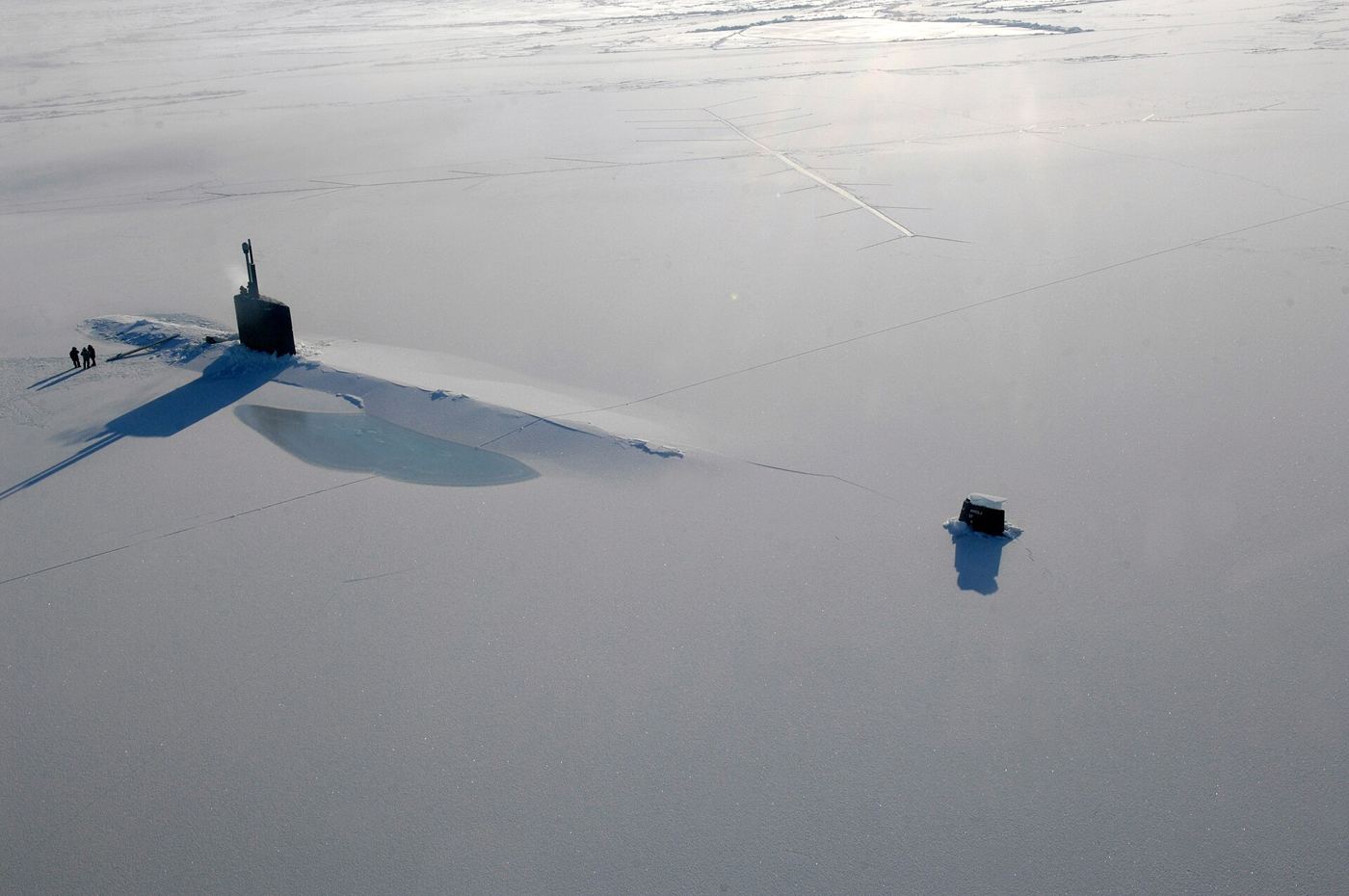
Greenland’s fjords look still and cold at the surface, but oceanographers lowering instruments through the ice are finding warm Atlantic water reaching deeper and farther inland than charts suggested a generation ago. These fjords are the meeting place of ocean and ice sheet: marine-terminating glaciers end in them, and the temperature of the water touching the glacier front strongly influences how fast the ice melts and retreats. The warm layer typically sits below a colder, fresher surface layer fed by meltwater, so it can go unnoticed by casual measurement while steadily undercutting glacier tongues from beneath. Moorings left through the winter, autonomous floats and seal-borne sensors now trace how this water pulses into fjords after storms and seasonal shifts in coastal currents. Where a shallow sill blocks the entrance, a fjord may be protected for years; where the channel is deep, warm water renews regularly and glacier retreat tends to be faster. Mapping that underwater geography has become a priority, because it helps explain why neighbouring glaciers respond so differently to the same climate. The work is difficult and sometimes dangerous, involving small boats among icebergs, instruments lost to calving events and long polar nights that limit ship access to a brief summer season.
What the Evidence Shows
The consequences reach well beyond Greenland. Ice lost from marine-terminating glaciers contributes directly to global sea-level rise, and models that misjudge fjord water temperatures will misjudge the rate. Oceanographers are therefore pairing fjord measurements with satellite records of glacier speed and thinning to build tested relationships rather than assumptions. The same warming water affects fjord ecosystems, altering the nutrient mixing that supports plankton, fish and the seabirds and seals that depend on them, as well as the hunting and fishing conditions of Greenlandic communities. Some fjords may see productivity rise as glacier melt delivers nutrients, while others stratify and stagnate. Researchers stress that local detail decides which outcome occurs, which is precisely why broad averages mislead. A growing network of year-round instruments, maintained with local partners, is replacing occasional summer snapshots with continuous records. Those records show a system in motion, where ocean heat, ice melt and living communities adjust together. Understanding Greenland’s fjords is thus both a climate priority and a practical one for the people who live along their shores, and the hidden warming below the surface is now firmly part of that story. Reporting and analysis from sources such as National Science Foundation track the same developments, and specialists following warming water in Greenland fjords say the direction is now consistent across independent lines of evidence.
The Wider Context
The wider context is a research landscape in which replication and open data now decide reputations. Findings connected to warming water in Greenland fjords are being checked by independent groups with shared datasets, and the teams involved publish their methods in full so rivals can test every step. That discipline is slower than a headline cycle, but it is why results in this area increasingly survive first contact with scrutiny.
What Happens Next
What happens next in the story of warming water in Greenland fjords will be decided by follow-up work already under way: larger samples, longer observation and instruments that have not yet come online. The researchers involved are unusually united on one point, that the current results justify the next investment of time and money. Readers will not have to wait long for the first tests of that claim. You can follow related developments in our coverage of science.
There is a practical lesson in all of this for readers deciding what to do today. Start with the verified facts, be wary of anyone promising certainty, and prefer reversible steps while the evidence is still developing. Circumstances differ by country, income and personal situation, so general guidance should always be weighed against your own context before you act on it in any significant or lasting way.
