

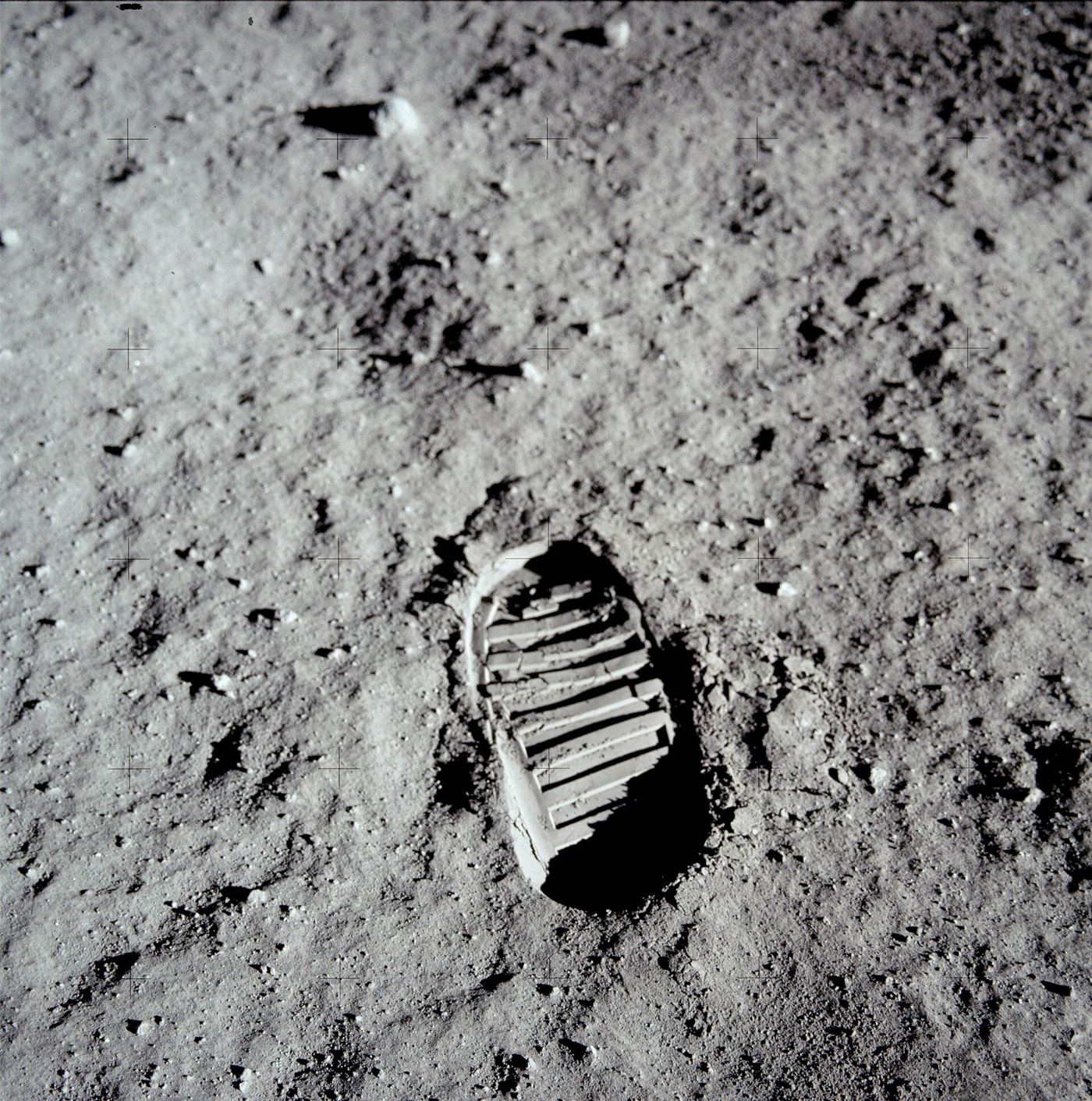
Beneath parts of the Moon’s volcanic plains, ancient flows of lava are thought to have left hollow tubes behind when their outer crust hardened and the molten rock inside drained away. Orbital images show pits and collapsed sections that may open into those tubes, and planetary scientists are increasingly interested in mapping them properly. A stable underground space on the Moon would be valuable because the surface offers little protection from radiation, micrometeorites and extreme swings between lunar day and night. Inside a lava tube, temperatures would be steadier and a habitat could be shielded by metres of rock, although reaching and safely using such a space would remain a major engineering challenge for any future mission. Interest has grown as lunar missions return to long-term planning, with agencies considering stays far longer than the brief Apollo visits, which makes natural shelter, stable temperatures and protection from radiation far more important than they were for short expeditions.
What the Evidence Shows
For now, the work is reconnaissance rather than construction, using radar, gravity data and high-resolution images to estimate where tubes run and how large their openings might be. Researchers also study lava tubes on Earth, in places shaped by similar volcanic processes, to understand how roofs collapse and how robots might explore safely without endangering a site of scientific value. Those tubes may preserve records of early lunar volcanism that surface material, battered by impacts, has lost. Mapping them is therefore both practical and scientific, identifying places that could one day shelter equipment or people while also revealing how the young Moon cooled and changed. Any future use would first require robotic exploration to confirm that a tube is intact, reachable and safe, since a collapsed roof or unstable floor could make an apparently promising shelter completely unsuitable for equipment or human crews. Reporting and analysis from sources such as National Science Foundation track the same developments, and specialists following lunar lava tubes say the direction is now consistent across independent lines of evidence.
The Wider Context
The wider context is a research landscape in which replication and open data now decide reputations. Findings connected to lunar lava tubes are being checked by independent groups with shared datasets, and the teams involved publish their methods in full so rivals can test every step. That discipline is slower than a headline cycle, but it is why results in this area increasingly survive first contact with scrutiny.
What Happens Next
What happens next in the story of lunar lava tubes will be decided by follow-up work already under way: larger samples, longer observation and instruments that have not yet come online. The researchers involved are unusually united on one point, that the current results justify the next investment of time and money. Readers will not have to wait long for the first tests of that claim. You can follow related developments in our coverage of science.
There is a practical lesson in all of this for readers deciding what to do today. Start with the verified facts, be wary of anyone promising certainty, and prefer reversible steps while the evidence is still developing. Circumstances differ by country, income and personal situation, so general guidance should always be weighed against your own context before you act on it in any significant or lasting way.
