

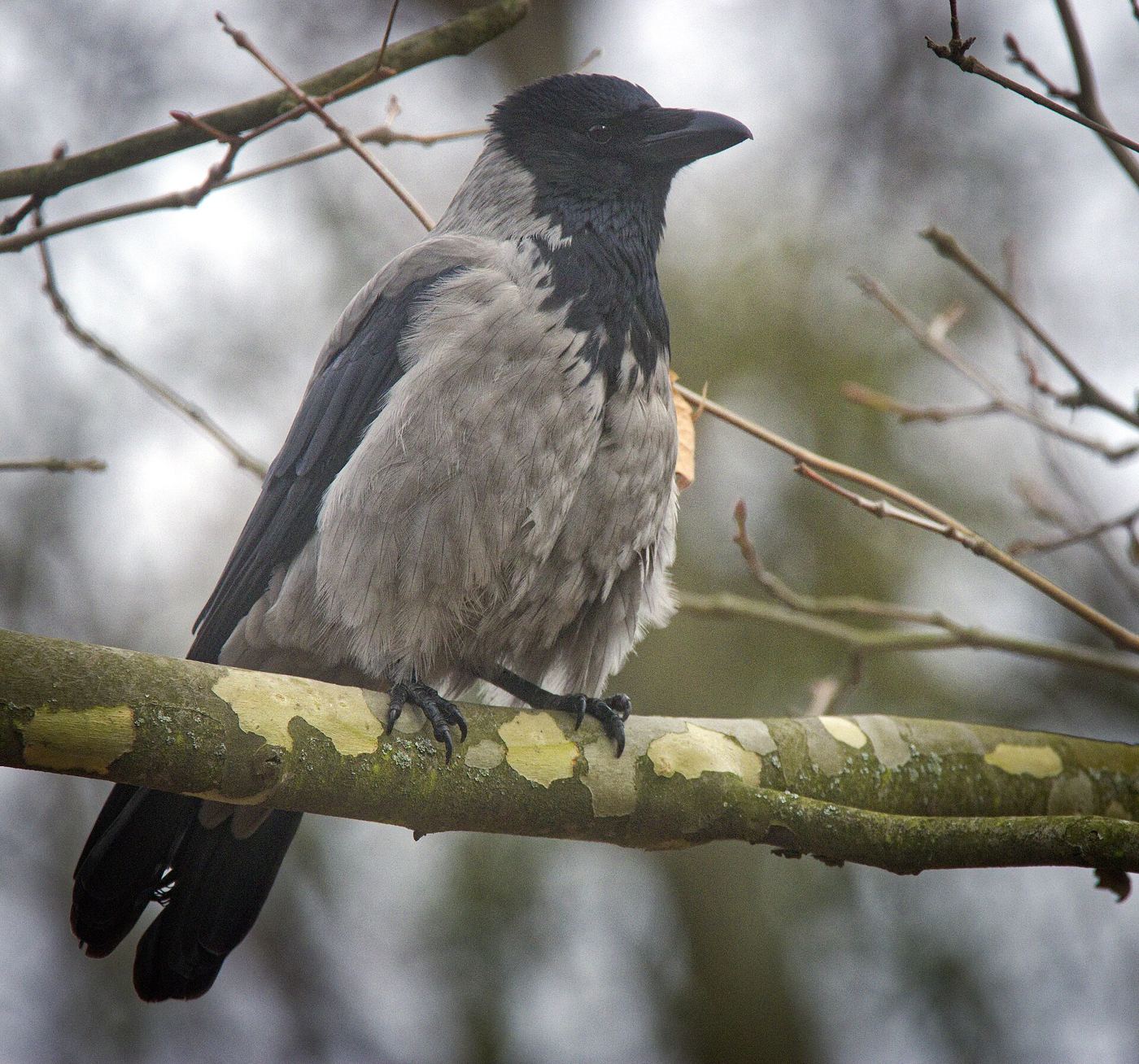
Crows have a reputation for intelligence, but one of their most remarkable abilities is also one of the most personal: they can recognise individual human faces and remember them for years. Research led by John Marzluff at the University of Washington showed that crows not only learned to identify people who had trapped or threatened them, they passed that knowledge on to other crows that had never met the person. In the experiments, researchers wore distinctive masks while handling the birds, and the crows later scolded and mobbed anyone wearing the threatening mask, even years after the original encounter. Brain scans have since shown that crows process human faces in a way that resembles how our own brains respond to familiar and unfamiliar people. In later tests, crows that had only watched the mobbing from nearby joined in as well, scolding the dangerous mask even though they had never been trapped themselves, showing that the warning had spread through the flock by observation alone.
What the Evidence Shows
The ability makes sense for a bird that lives for decades alongside humans in cities and suburbs, where telling a friend from a threat is a survival skill. Crows have been observed using tools, solving multi-step puzzles, holding what look like grudges and even bringing small gifts to people who feed them regularly. Their brains are small but densely packed with neurons, and the forebrain region linked to complex thinking is unusually large for a bird. Scientists say the face-recognition research shows that intelligence in birds evolved along a different path from mammals but arrived at similar solutions. It also carries a practical lesson for anyone who has ever been unkind to a crow: the bird may remember, and so may its neighbours, its offspring and the rest of the local murder. Other studies have shown crows can count, plan for the future and use tools in sequence, abilities once thought to belong only to primates, and researchers now study them to understand how intelligence evolves in very different kinds of brains. Reporting and analysis from sources such as National Science Foundation track the same developments, and specialists following crows remember human faces say the direction is now consistent across independent lines of evidence.
The Wider Context
The wider context is a research landscape in which replication and open data now decide reputations. Findings connected to crows remember human faces are being checked by independent groups with shared datasets, and the teams involved publish their methods in full so rivals can test every step. That discipline is slower than a headline cycle, but it is why results in this area increasingly survive first contact with scrutiny.
What Happens Next
What happens next in the story of crows remember human faces will be decided by follow-up work already under way: larger samples, longer observation and instruments that have not yet come online. The researchers involved are unusually united on one point, that the current results justify the next investment of time and money. Readers will not have to wait long for the first tests of that claim. You can follow related developments in our coverage of science.
There is a practical lesson in all of this for readers deciding what to do today. Start with the verified facts, be wary of anyone promising certainty, and prefer reversible steps while the evidence is still developing. Circumstances differ by country, income and personal situation, so general guidance should always be weighed against your own context before you act on it in any significant or lasting way.
