

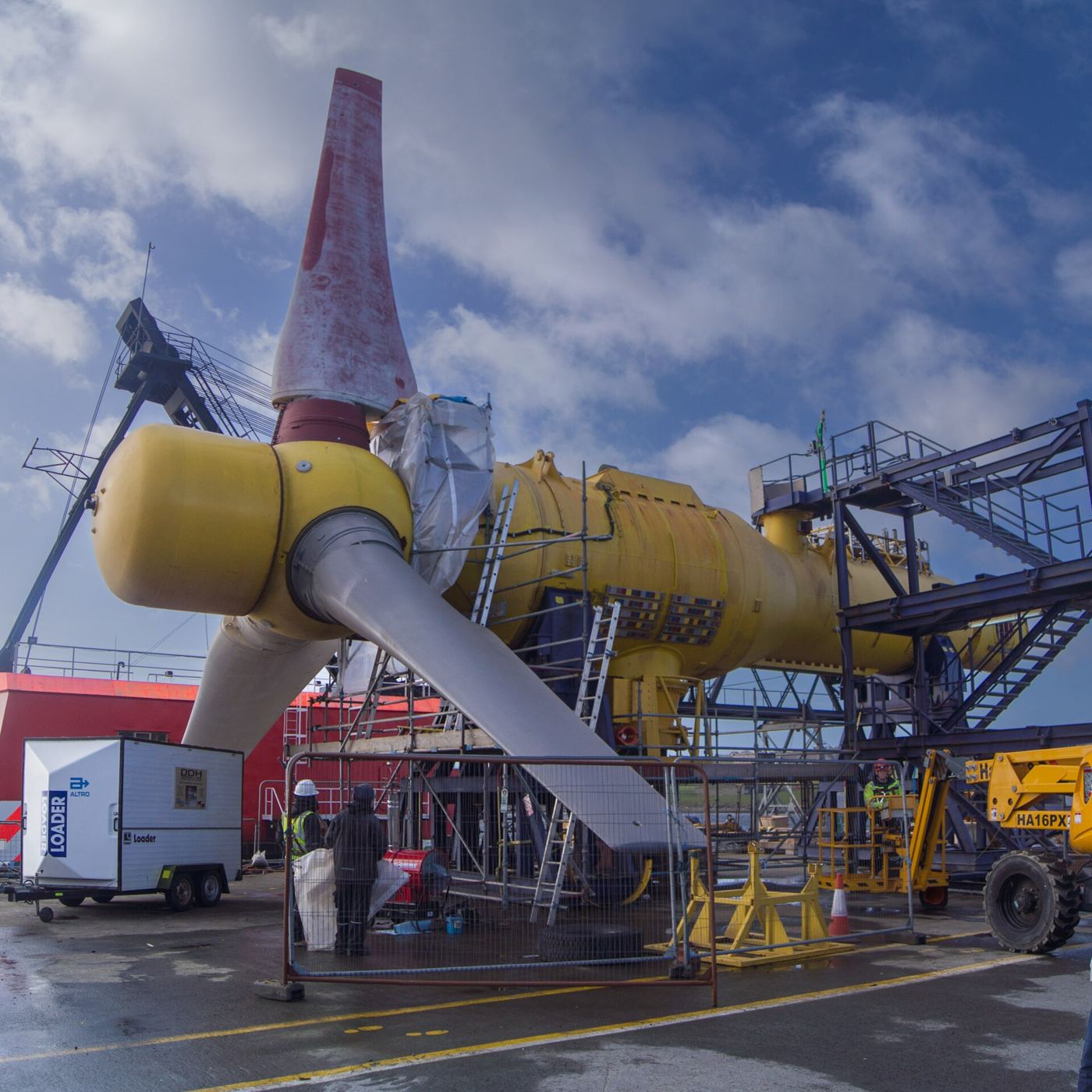
Twice a day, the tides surge in and out of coastal channels, moving vast volumes of water with a force that is both enormous and entirely predictable. Engineers have begun to harvest that motion with underwater turbines that look like wind turbines turned on their side, anchored to the seabed where the current runs fastest. As the tide flows past, the blades spin and generate electricity, then turn to face the other way when the tide reverses. Unlike wind and sunshine, the tides follow a timetable set by the Moon, so operators know months in advance exactly when power will be produced. That reliability makes tidal energy attractive as a steady complement to other renewables, especially for island communities near strong tidal channels. The sea is a harsh workplace, though, and the machines must survive salt water, storms and the constant battering of the current itself. Engineers are now learning to make the machines tough enough for the job.
What the Evidence Shows
The first tidal farms are small, with a handful of turbines feeding power to nearby towns, but they are proving that the concept works. Operators have learned to design blades that resist corrosion, to install turbines from barges during brief windows of calm water, and to monitor the machines with sensors that report wear before a failure. Costs remain high, because each installation is still largely custom-built, and there are questions about how large arrays of turbines might affect fish and other marine life. Researchers are studying those effects carefully, tracking how animals move around the turbines and whether the noise disturbs them. If costs fall as the industry scales up, tidal power could become a reliable source of clean electricity for coastal regions around the world. The sea will decide how fast the industry can grow. Reporting and analysis from sources such as National Science Foundation track the same developments, and specialists following the tidal turbines turning ocean currents into power say the direction is now consistent across independent lines of evidence.
The Wider Context
The wider context is a research landscape in which replication and open data now decide reputations. Findings connected to the tidal turbines turning ocean currents into power are being checked by independent groups with shared datasets, and the teams involved publish their methods in full so rivals can test every step. That discipline is slower than a headline cycle, but it is why results in this area increasingly survive first contact with scrutiny.
What Happens Next
What happens next in the story of the tidal turbines turning ocean currents into power will be decided by follow-up work already under way: larger samples, longer observation and instruments that have not yet come online. The researchers involved are unusually united on one point, that the current results justify the next investment of time and money. Readers will not have to wait long for the first tests of that claim. You can follow related developments in our coverage of science.
There is a practical lesson in all of this for readers deciding what to do today. Start with the verified facts, be wary of anyone promising certainty, and prefer reversible steps while the evidence is still developing. Circumstances differ by country, income and personal situation, so general guidance should always be weighed against your own context before you act on it in any significant or lasting way.
