

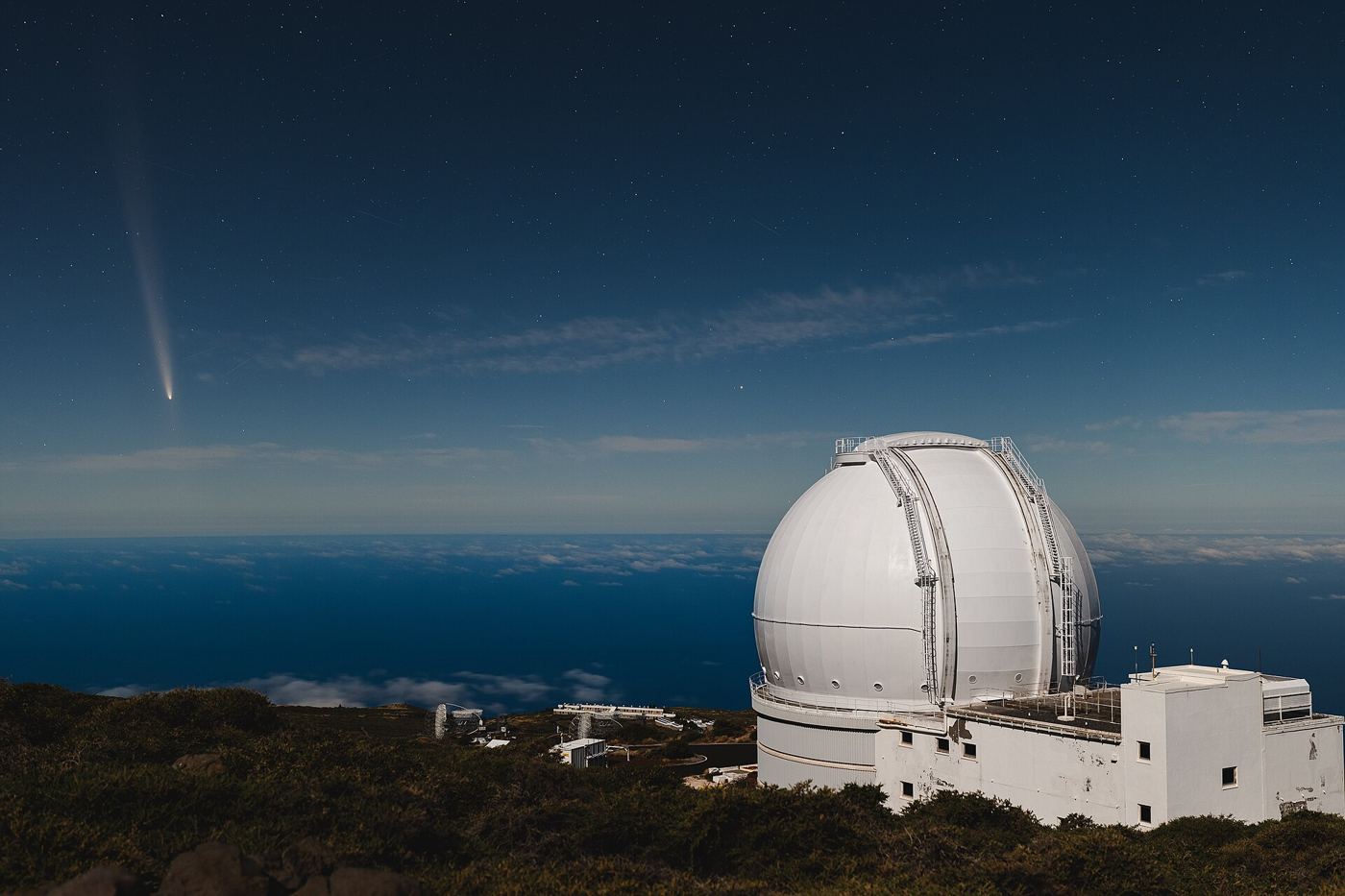
Astronomers have now confirmed more than 5,000 planets orbiting other stars, and a growing share of them are rocky worlds not much bigger than Earth. The most interesting lie in the habitable zone, the band around a star where temperatures could allow liquid water on a planet’s surface. Telescopes find these worlds by watching for the tiny dip in a star’s light as a planet crosses in front of it, or by measuring the star’s wobble as a planet’s gravity tugs it back and forth. The James Webb Space Telescope is now probing the atmospheres of nearby rocky planets, searching for water vapour and other gases. Several of the most promising candidates orbit red dwarf stars only a few dozen light-years away.
What the Evidence Shows
Finding a rocky planet is only the first step, because habitability depends on far more than size and distance from a star. A planet needs an atmosphere thick enough to hold heat, a magnetic field to shield it from stellar radiation, and the right chemistry for oceans to survive. Red dwarfs, the most common stars, flare violently and could strip atmospheres away, so astronomers are testing which of their planets kept theirs. Next-generation telescopes will look for biosignatures, gases such as oxygen or methane that living things might produce. Even if no life is found, each new world teaches us how planets form and how rare, or common, Earth-like conditions might be. Some astronomers think the first signs of life beyond Earth, if they exist, will appear as an unusual mix of gases in a distant atmosphere rather than as a signal or a picture. Reporting and analysis from sources such as National Science Foundation track the same developments, and specialists following the rocky worlds found around nearby stars say the direction is now consistent across independent lines of evidence.
The Wider Context
The wider context is a research landscape in which replication and open data now decide reputations. Findings connected to the rocky worlds found around nearby stars are being checked by independent groups with shared datasets, and the teams involved publish their methods in full so rivals can test every step. That discipline is slower than a headline cycle, but it is why results in this area increasingly survive first contact with scrutiny.
What Happens Next
What happens next in the story of the rocky worlds found around nearby stars will be decided by follow-up work already under way: larger samples, longer observation and instruments that have not yet come online. The researchers involved are unusually united on one point, that the current results justify the next investment of time and money. Readers will not have to wait long for the first tests of that claim. You can follow related developments in our coverage of science.
There is a practical lesson in all of this for readers deciding what to do today. Start with the verified facts, be wary of anyone promising certainty, and prefer reversible steps while the evidence is still developing. Circumstances differ by country, income and personal situation, so general guidance should always be weighed against your own context before you act on it in any significant or lasting way.
