

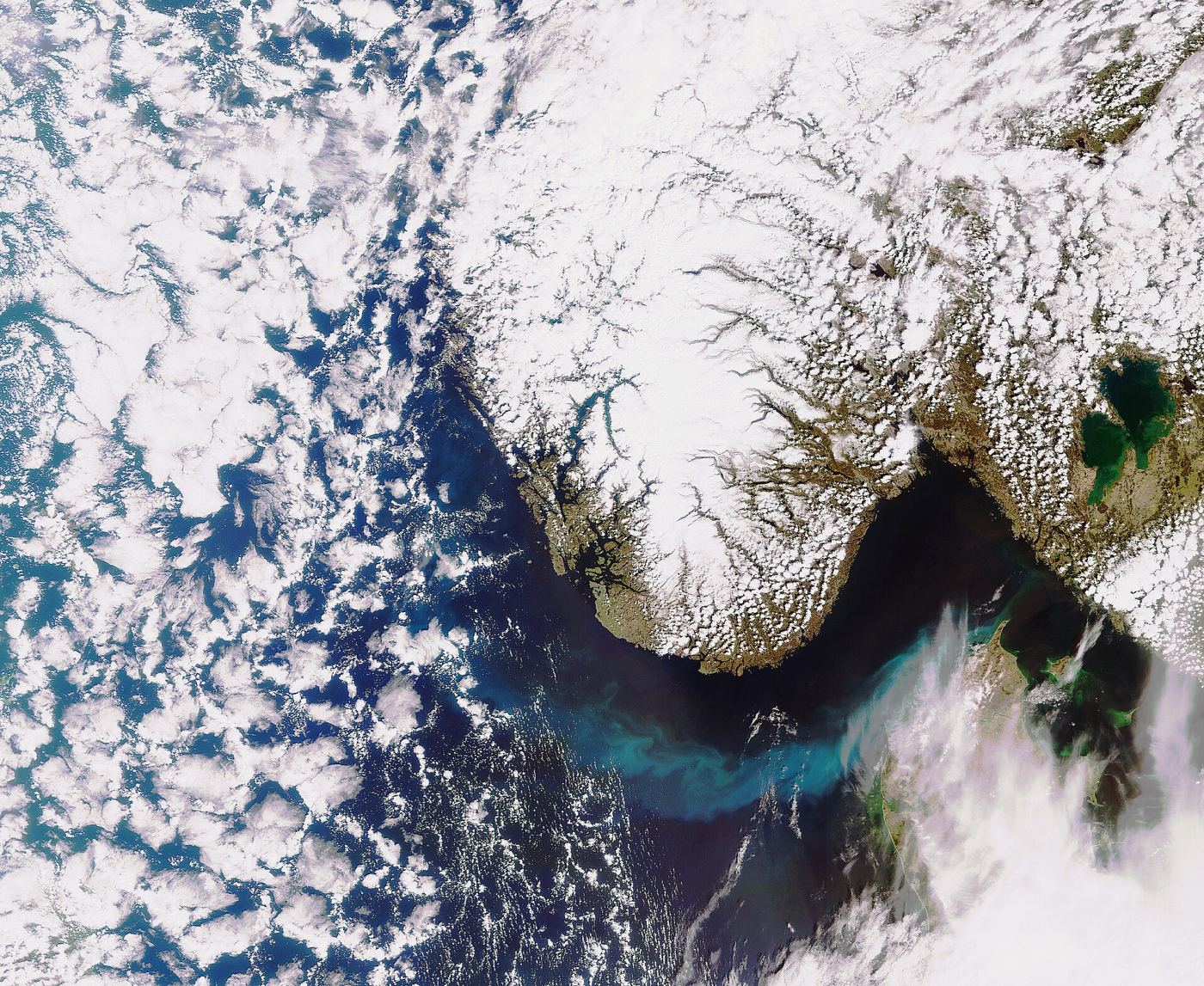
The tiny plankton drifting in the ocean help carry carbon down into the deep sea, and a more realistic picture of their food webs suggests that this carbon pump is weakening faster than simpler models predicted. A study published in Nature Communications on 21 November 2026 used an Earth system model with increasingly complex plankton food webs to test how climate change affects ocean carbon export. The researchers found that greater ecological complexity amplifies the climate-driven decline in the ocean biological pump, the process by which plankton and their remains transport carbon from the surface to the depths. Simple models may therefore underestimate how much the pump will weaken as the ocean warms. The finding matters because the ocean absorbs a large share of the carbon dioxide released by human activity.
What the Evidence Shows
The biological pump works when plankton grow near the sunlit surface, are eaten by larger creatures, and then sink as waste and dead matter, locking carbon away in deep water for centuries. Warming can slow that process by stratifying the ocean, trapping nutrients below the surface layer where plankton live. The new study shows that adding realistic predators, prey and competition between plankton species makes the decline steeper, because the whole food web shifts together rather than each species responding alone. The researchers say climate models used for policy should include this ecological detail if they are to give honest estimates of future carbon storage. The ocean cannot be relied on to keep absorbing carbon at today’s rate, and the study is a reminder that living systems can amplify physical change. Reporting and analysis from sources such as National Science Foundation track the same developments, and specialists following the weakening ocean biological pump say the direction is now consistent across independent lines of evidence.
The Wider Context
The wider context is a research landscape in which replication and open data now decide reputations. Findings connected to the weakening ocean biological pump are being checked by independent groups with shared datasets, and the teams involved publish their methods in full so rivals can test every step. That discipline is slower than a headline cycle, but it is why results in this area increasingly survive first contact with scrutiny.
What Happens Next
What happens next in the story of the weakening ocean biological pump will be decided by follow-up work already under way: larger samples, longer observation and instruments that have not yet come online. The researchers involved are unusually united on one point, that the current results justify the next investment of time and money. Readers will not have to wait long for the first tests of that claim. You can follow related developments in our coverage of science.
There is a practical lesson in all of this for readers deciding what to do today. Start with the verified facts, be wary of anyone promising certainty, and prefer reversible steps while the evidence is still developing. Circumstances differ by country, income and personal situation, so general guidance should always be weighed against your own context before you act on it in any significant or lasting way.
