

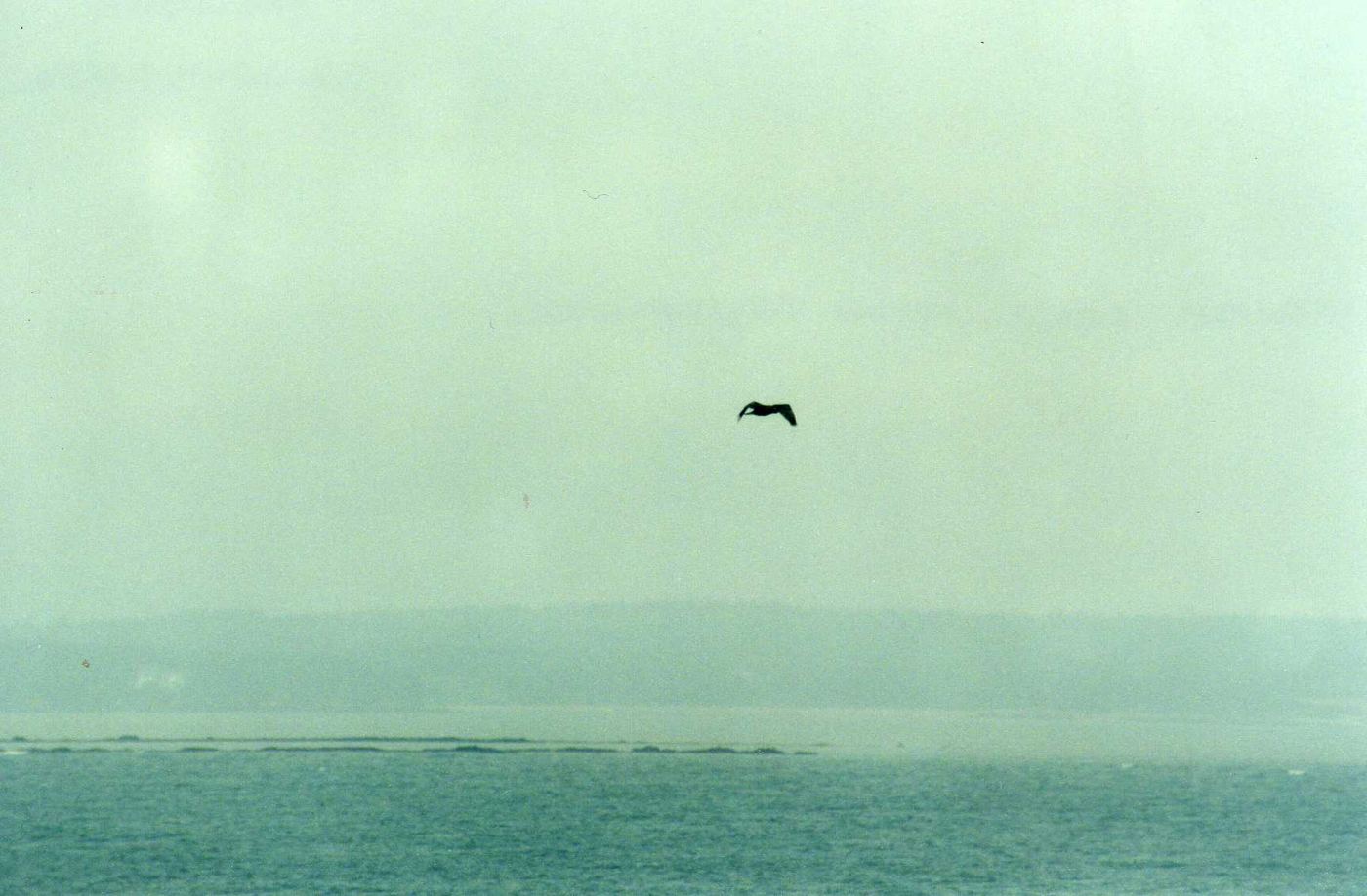
Seabirds fitted with miniature audio recorders have revealed that fishing boats interact with wildlife far more often than official tracking data suggests, according to a study published in Science Advances on 25 November 2026. Researchers from the University of Oxford, led by Dr Jonathan Rutter, attached audio recorders and GPS trackers to northern gannets and Balearic shearwaters, capturing the sounds around the birds as they travelled across the ocean for several days. At least a third of the vessel sounds recorded by the gannets could not be matched to a public tracking signal, and more than one in ten of the shearwaters’ detections had no matching signal. The team estimated that about 57 percent of vessel sounds heard by gannets may have come from untracked boats.
What the Evidence Shows
Fishing vessels are a serious threat to seabirds, because birds drawn to discarded fish or bait can become accidentally caught in fishing gear, a problem known as bycatch. The critically endangered Balearic shearwater is among the species most at risk. The recorders picked up the distinctive low-frequency hum of vessel engines, and the researchers checked how far each bird was from the nearest tracked vessel to judge whether a known boat could have made the sound. The gap matters for conservation, because rules meant to protect seabirds cannot work if a large share of the boats around them are invisible to tracking systems. Animal-borne recorders could become a new tool for spotting unreported fishing activity. Reporting and analysis from sources such as National Science Foundation track the same developments, and specialists following the seabirds exposing hidden fishing boats say the direction is now consistent across independent lines of evidence.
The Wider Context
The wider context is a research landscape in which replication and open data now decide reputations. Findings connected to the seabirds exposing hidden fishing boats are being checked by independent groups with shared datasets, and the teams involved publish their methods in full so rivals can test every step. That discipline is slower than a headline cycle, but it is why results in this area increasingly survive first contact with scrutiny.
What Happens Next
What happens next in the story of the seabirds exposing hidden fishing boats will be decided by follow-up work already under way: larger samples, longer observation and instruments that have not yet come online. The researchers involved are unusually united on one point, that the current results justify the next investment of time and money. Readers will not have to wait long for the first tests of that claim. You can follow related developments in our coverage of science.
There is a practical lesson in all of this for readers deciding what to do today. Start with the verified facts, be wary of anyone promising certainty, and prefer reversible steps while the evidence is still developing. Circumstances differ by country, income and personal situation, so general guidance should always be weighed against your own context before you act on it in any significant or lasting way.
