

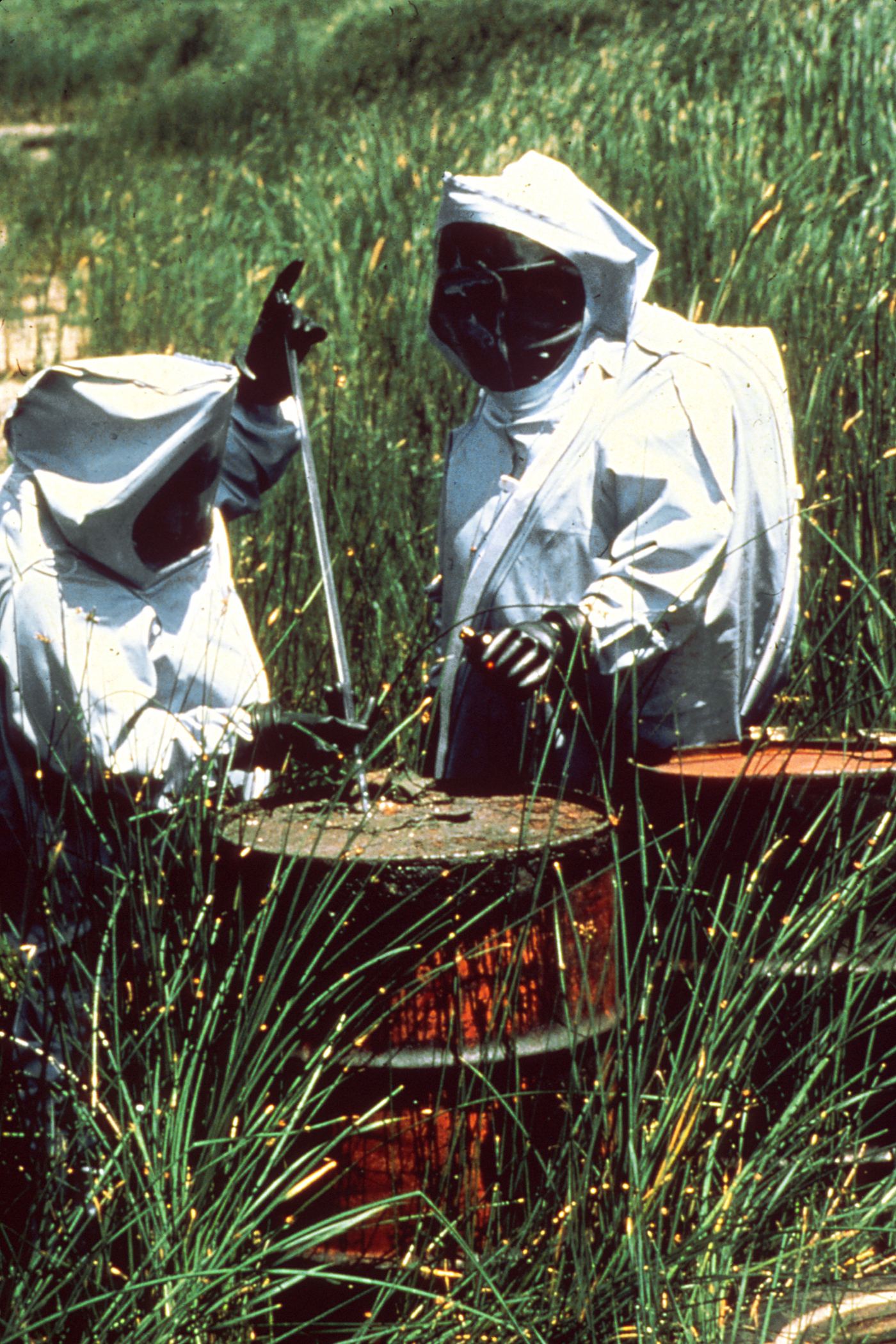
The number of confirmed Ebola cases in the Democratic Republic of Congo has passed 12,000, government data showed on Thursday, 26 November 2026, as responders struggle to bring the second-largest outbreak on record under control. Confirmed infections totalled 12,021, and 5,904 people have died, the health ministry’s update showed. The outbreak, caused by the rare Bundibugyo species of the Ebola virus, was declared in mid-May in Ituri province in the northeast and has since spread to eight of Congo’s 26 provinces. It is the fastest-growing Ebola outbreak in history, and nearly half of those confirmed to have the virus have died. Fighting between rebels and the army in the east is disrupting efforts to contain the spread.
What the Evidence Shows
There is no approved vaccine or treatment for the Bundibugyo virus, which makes containment depend on isolating patients, tracing contacts and safe burials. The World Health Organization and the Africa Centres for Disease Control and Prevention this week unveiled an updated continental preparedness and response plan running from November 2026 through May 2027. Africa CDC figures show that 80 percent of new cases are not linked to known contacts and 65 percent of deaths happen at home, while attacks on health teams and unpaid salaries add to the strain. Children account for more than a quarter of cases and a third of deaths, with 70 percent mortality in children under five. Reporting and analysis from sources such as Associated Press track the same developments, and specialists following the Congo Ebola outbreak passing 12,000 cases say the direction is now consistent across independent lines of evidence.
The Wider Context
Regional and local reporting on the Congo Ebola outbreak passing 12,000 cases often tells a different story from national coverage, because the effects land unevenly: one town’s pilot is another’s distant proposal. Analysts who follow the subject full-time read the local data first, arguing that national averages conceal the variation that decides whether a policy or a project deserves to spread.
What Happens Next
The longer story of the Congo Ebola outbreak passing 12,000 cases is still being written by the people closest to it, whose experience rarely matches the earliest predictions of either supporters or critics. Reporting will continue to follow the evidence as it accumulates, including where it complicates today’s account. That is the deal serious coverage makes with its readers, and it holds for this subject as for any other. You can follow related developments in our coverage of news.
It is also worth remembering how quickly the picture in this area has changed before. Positions that looked settled a few years ago have been revised as new data arrived, and the same humility is appropriate now. The strongest coverage of this subject, and the most useful advice, tends to come from sources that update their views openly when the facts move, rather than defending an earlier position long after it has stopped fitting the evidence available.
