

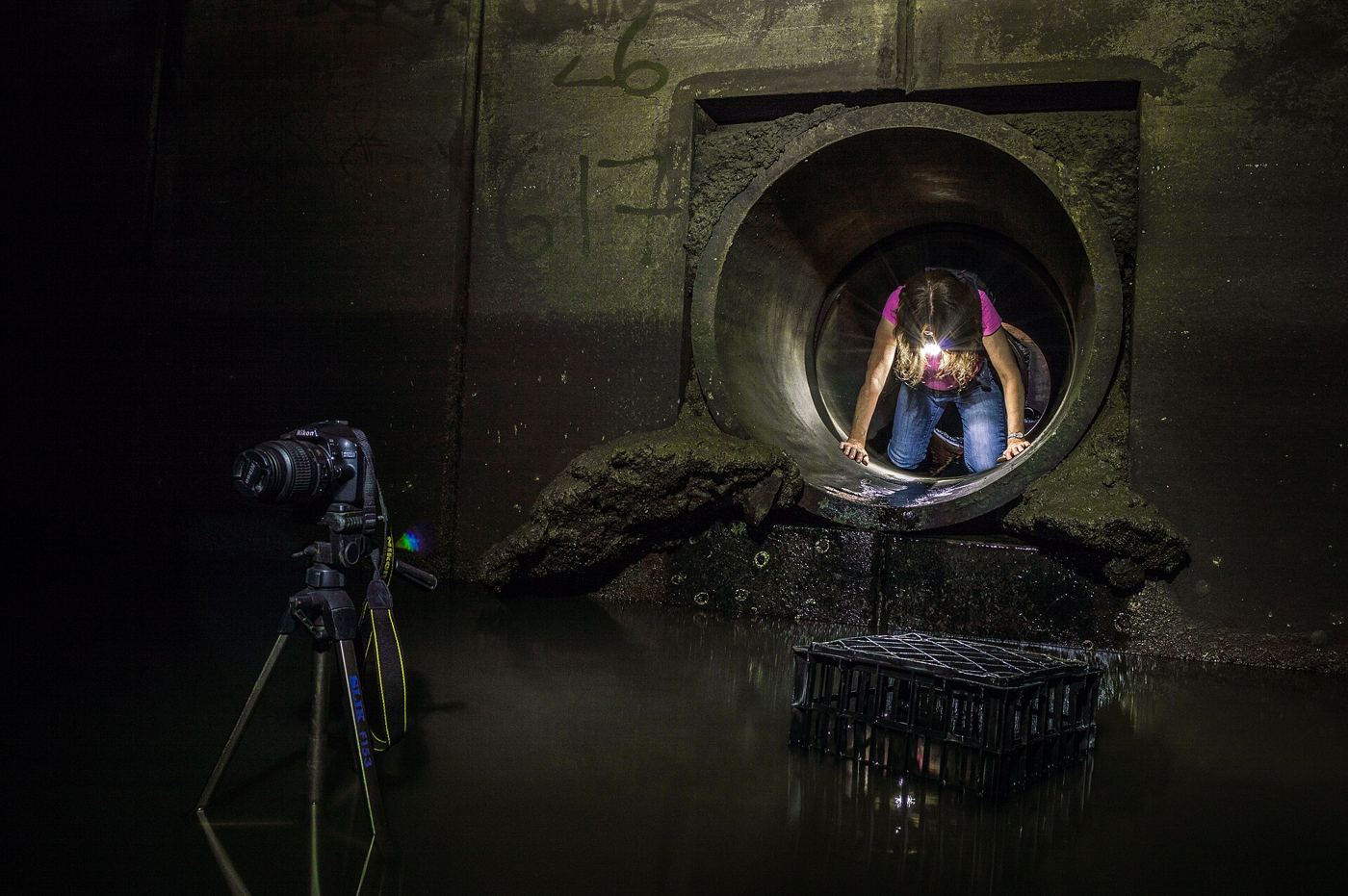
Beneath the hills of many limestone regions, rivers run through darkness, carving tunnels and chambers that no sunlight has ever touched. Cave explorers, or cavers, enter these underground worlds with ropes, headlamps and waterproof suits, mapping passages that may stretch for hundreds of kilometres. They wade through cold streams, squeeze through narrow cracks and descend vertical shafts, recording every turn with laser scanners and careful survey notes. The caves they map are more than sporting challenges: they hold records of past climates in their stalactites, shelter rare creatures that have lost their eyes and pigment in the permanent dark, and carry the water that feeds springs and wells above ground. Some of the largest cave systems are still only partly explored, with new passages found every year. Some passages are so tight that explorers must crawl on their stomachs, pushing their packs ahead of them, while others open into halls so large that a headlamp cannot reach the far wall.
What the Evidence Shows
Modern cave exploration has become a careful science as well as an adventure. Laser scanners now produce three-dimensional maps of chambers that once took weeks to survey by hand, and divers with specialised equipment push through flooded passages that were once impassable. The water flowing through these caves is often the drinking water for towns above, so understanding where it travels matters for keeping it clean. Cavers also study the blind fish, pale spiders and tiny crustaceans that have adapted to life without light, species that exist nowhere else on Earth. Exploration carries real risks, from flooding after sudden rain to rock falls in unstable passages, and teams plan each trip with rescue in mind. Even so, the lure of the unknown keeps drawing them underground, into one of the last frontiers left to map. Reporting and analysis from sources such as National Science Foundation track the same developments, and specialists following the cave explorers mapping rivers beneath the earth’s surface say the direction is now consistent across independent lines of evidence.
The Wider Context
The wider context is a research landscape in which replication and open data now decide reputations. Findings connected to the cave explorers mapping rivers beneath the earth’s surface are being checked by independent groups with shared datasets, and the teams involved publish their methods in full so rivals can test every step. That discipline is slower than a headline cycle, but it is why results in this area increasingly survive first contact with scrutiny.
What Happens Next
What happens next in the story of the cave explorers mapping rivers beneath the earth’s surface will be decided by follow-up work already under way: larger samples, longer observation and instruments that have not yet come online. The researchers involved are unusually united on one point, that the current results justify the next investment of time and money. Readers will not have to wait long for the first tests of that claim. You can follow related developments in our coverage of science.
There is a practical lesson in all of this for readers deciding what to do today. Start with the verified facts, be wary of anyone promising certainty, and prefer reversible steps while the evidence is still developing. Circumstances differ by country, income and personal situation, so general guidance should always be weighed against your own context before you act on it in any significant or lasting way.
