

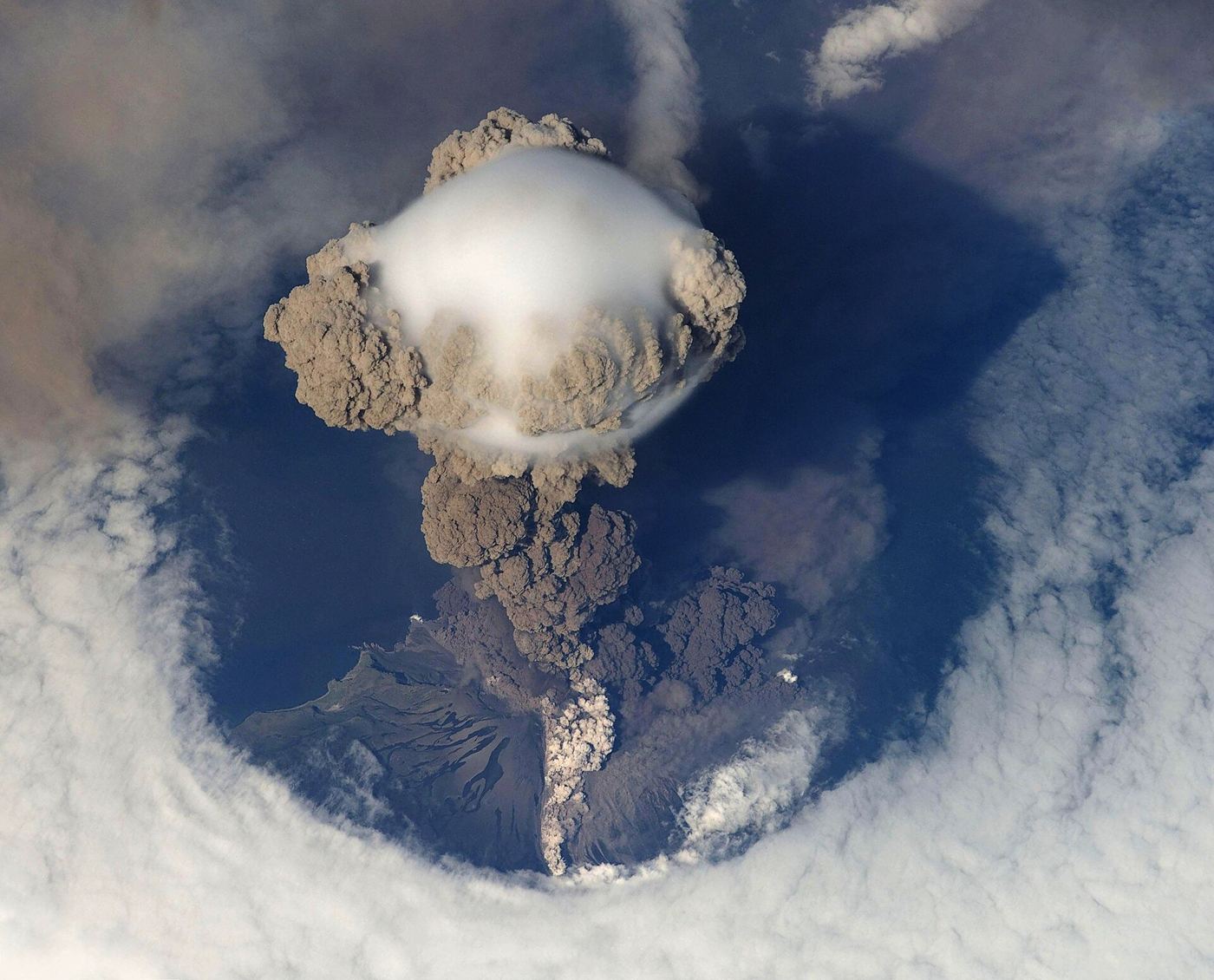
Island communities have been practising evacuation drills as their volcano shows fresh signs of unrest, with residents rehearsing the routes to safe areas and the procedures for leaving quickly if an eruption warning is issued. Officials said the drills covered schools, clinics and care homes, and that volunteers played the role of residents needing extra help, including older people and families with young children. The exercises were organised after monitoring instruments recorded increased gas emissions and small tremors beneath the volcano, though scientists stressed that this did not mean an eruption was certain. Local leaders said the aim was to make sure everyone knew where to go and what to take, so that a real evacuation would be calm rather than chaotic. Residents said the drills were reassuring, even if the idea of leaving their homes was unsettling. Scientists said the volcano had shown similar unrest before without erupting, but that caution remained the right approach.
What the Evidence Shows
Volcano watchers explained that the island was being monitored around the clock, with sensors tracking ground movement, gas levels and the temperature of hot springs, and that any significant change would trigger an alert to officials and residents. They added that ashfall guidance had been updated, advising people to stay indoors during heavy ash, to protect water supplies and to wear masks if they had to go outside. Emergency planners said shelters had been stocked with food, water and bedding, and that transport had been arranged for people without their own vehicles. The local council said it would publish regular updates so residents knew exactly what was happening, rather than relying on rumours. Scientists stressed that preparation, not panic, was the right response, and that the drills would continue until the volcano settled again. Residents said they trusted the monitoring system and would follow official advice if an evacuation became necessary. Reporting and analysis from sources such as Associated Press track the same developments, and specialists following the island evacuation drills say the direction is now consistent across independent lines of evidence.
The Wider Context
Regional and local reporting on the island evacuation drills often tells a different story from national coverage, because the effects land unevenly: one town’s pilot is another’s distant proposal. Analysts who follow the subject full-time read the local data first, arguing that national averages conceal the variation that decides whether a policy or a project deserves to spread.
What Happens Next
The longer story of the island evacuation drills is still being written by the people closest to it, whose experience rarely matches the earliest predictions of either supporters or critics. Reporting will continue to follow the evidence as it accumulates, including where it complicates today’s account. That is the deal serious coverage makes with its readers, and it holds for this subject as for any other. You can follow related developments in our coverage of news.
It is also worth remembering how quickly the picture in this area has changed before. Positions that looked settled a few years ago have been revised as new data arrived, and the same humility is appropriate now. The strongest coverage of this subject, and the most useful advice, tends to come from sources that update their views openly when the facts move, rather than defending an earlier position long after it has stopped fitting the evidence available.
