

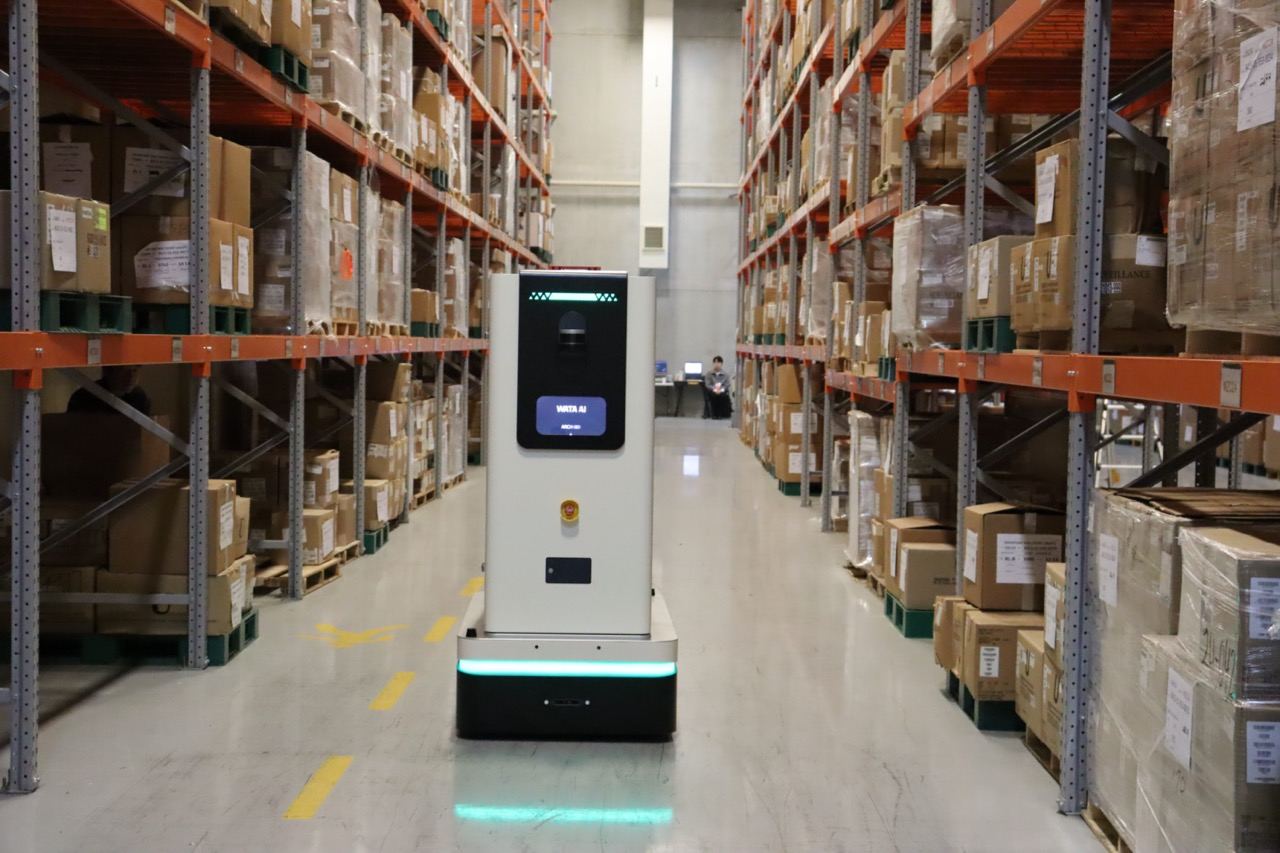
As peak ordering season approaches, warehouses are relying more heavily on fleets of mobile robots to move shelves, bins, and parcels between storage areas and packing stations. The machines follow carefully mapped routes, pausing for workers and recharging themselves during quieter moments. Managers say the main benefit is consistency: robots handle the repetitive travel across large buildings, while people focus on packing, quality checks, and problem solving. In busy facilities, cutting walking distance also reduces fatigue and injuries. The systems require significant upfront investment, so operators study order patterns closely before committing to a design. Delivery firms say the technology also improves accuracy, because automated systems track inventory continuously and flag discrepancies before they become missing parcels or delayed customer orders later.
What the Evidence Shows
Introducing robots reshapes jobs rather than simply removing them, creating roles in maintenance, fleet supervision, and system troubleshooting. Training matters, because staff who understand how the robots plan routes can keep goods flowing when a machine stops or a shelf is misplaced. Smaller warehouses are watching the results carefully, hoping that falling costs and leasing models will make automation practical at their scale too. Software updates now arrive regularly, improving traffic management between machines. Industry analysts expect steady adoption, driven less by novelty than by labour shortages and customer expectations for fast, accurate delivery. Workers’ representatives continue to press for clear agreements on pace, surveillance, and job security, arguing that successful automation should share its productivity gains with the people who make warehouses function daily. Reporting and analysis from sources such as MIT Technology Review track the same developments, and specialists following robots supporting warehouse operations say the direction is now consistent across independent lines of evidence.
The Wider Context
The wider context is an industry learning to ship capability and restraint together. Products built around robots supporting warehouse operations now launch with safety evaluations, usage data and rollback plans as standard, because enterprise buyers and regulators ask for them in the first meeting. Companies that treated those questions as friction are discovering they have become the purchase criteria.
What Happens Next
What happens next for robots supporting warehouse operations depends less on another breakthrough than on the unglamorous work of reliability, pricing and support. The buyers evaluating it now are not enthusiasts; they are operators with budgets and auditors, and their checklists will decide the timeline. On the evidence of the current pilots, the technology has earned the right to be judged by them. You can follow related developments in our coverage of technology.
There is a practical lesson in all of this for readers deciding what to do today. Start with the verified facts, be wary of anyone promising certainty, and prefer reversible steps while the evidence is still developing. Circumstances differ by country, income and personal situation, so general guidance should always be weighed against your own context before you act on it in any significant or lasting way.
