

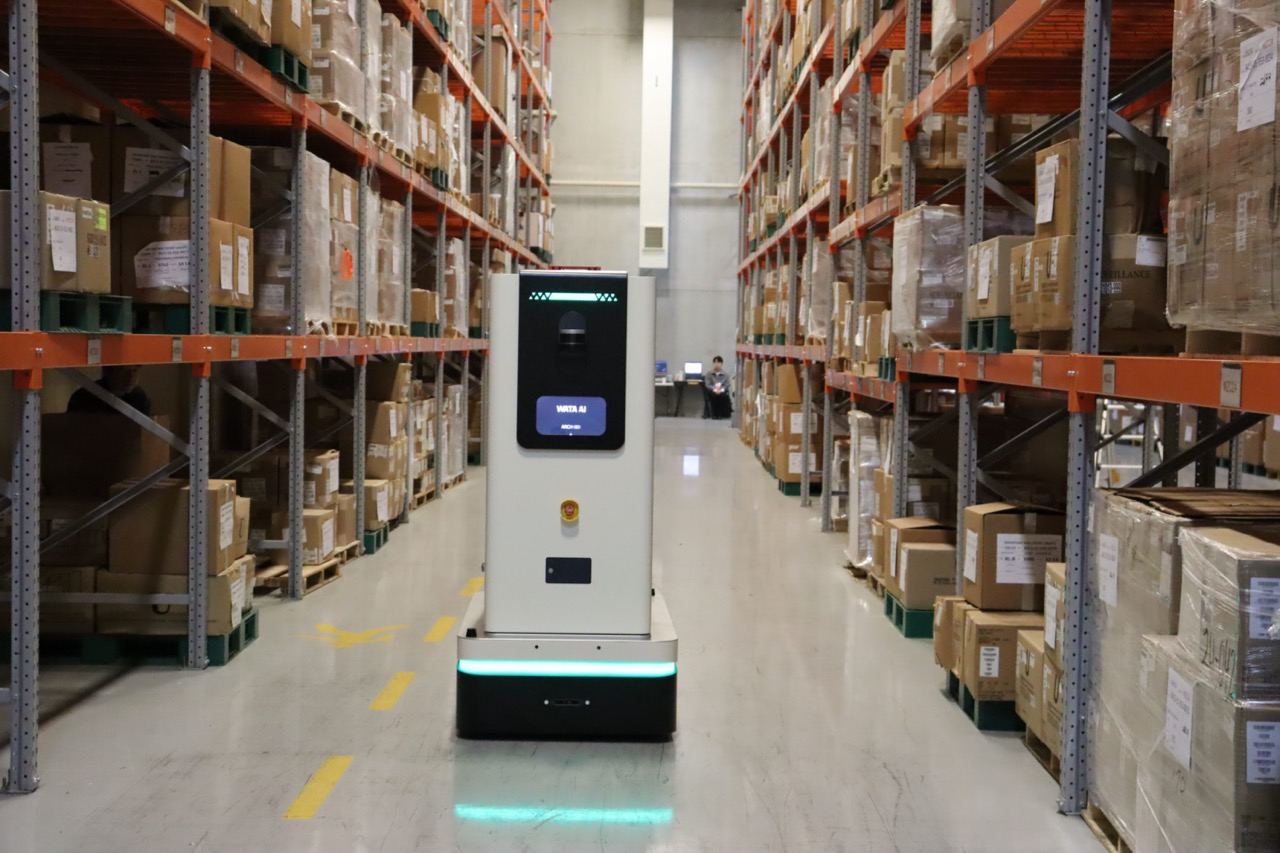
Warehouse operators are using fleets of small moving robots to bring shelves directly to picking staff, a change that speeds up orders during the busiest shopping periods. Instead of workers walking long aisles searching for products, the robots glide beneath storage units and queue in an orderly line at packing stations. Managers said the system reduces tiredness and mistakes, because staff stay in one well lit place while the goods come to them. The technology is being introduced gradually, with older warehouses adapted in stages and workers retrained to supervise, charge and maintain the machines that now share their workplace. New staff joining the sites now receive training that combines traditional warehouse skills with basic robot supervision, reflecting how quickly the technology has moved from pilot projects into ordinary daily operations across the sector. Managers insisted experienced staff remained central, checking quality and solving problems the machines could not handle.
What the Evidence Shows
Staff representatives said the robots had removed some of the most physically draining parts of the job, particularly the constant walking and lifting over long shifts. However, they also asked for clear guarantees about future roles, arguing that automation should support workers rather than quietly replace them. Operators responded that growing order volumes mean human judgement is still needed for packing, quality checks and problem solving when items arrive damaged or mislabelled. Industry watchers expect similar systems to spread to smaller distribution centres as costs fall, changing warehouse design across the country. For customers, the most visible effect should be simple: fewer delays and more accurate deliveries when demand spikes suddenly. Safety systems pause the machines automatically when a person steps into their path, and operators said regular software updates are improving how the fleet shares space during the busiest shifts without slowing the overall flow of goods. Reporting and analysis from sources such as Associated Press track the same developments, and specialists following warehouse shelf robots say the direction is now consistent across independent lines of evidence.
The Wider Context
Regional and local reporting on warehouse shelf robots often tells a different story from national coverage, because the effects land unevenly: one town’s pilot is another’s distant proposal. Analysts who follow the subject full-time read the local data first, arguing that national averages conceal the variation that decides whether a policy or a project deserves to spread.
What Happens Next
The longer story of warehouse shelf robots is still being written by the people closest to it, whose experience rarely matches the earliest predictions of either supporters or critics. Reporting will continue to follow the evidence as it accumulates, including where it complicates today’s account. That is the deal serious coverage makes with its readers, and it holds for this subject as for any other. You can follow related developments in our coverage of news.
It is also worth remembering how quickly the picture in this area has changed before. Positions that looked settled a few years ago have been revised as new data arrived, and the same humility is appropriate now. The strongest coverage of this subject, and the most useful advice, tends to come from sources that update their views openly when the facts move, rather than defending an earlier position long after it has stopped fitting the evidence available.
